
10 Signs Your Body Needs Rest, Not Exercise
Exercise is one of the most effective ways to improve physical health, build strength, manage weight, and support mental well-being. However, exercising regularly does not mean you should push your body every day. Sometimes, the healthiest decision is to take a break and allow your body to recover.
Many people ignore signs their body needs rest from exercise because they believe that more workouts always lead to better results. Unfortunately, exercising when your body is already exhausted can increase the risk of injuries, poor performance, sleep problems, and physical burnout.
Your body communicates its needs through different signals, including persistent muscle soreness, unusual fatigue, difficulty sleeping, mood changes, and declining workout performance.
Understanding the signs your body is telling you to rest can help you maintain a healthy exercise routine without putting unnecessary stress on your body.
In this article, we explore 10 important warning signs that your body needs rest, why recovery matters, and how to know when you should rest instead of exercise.
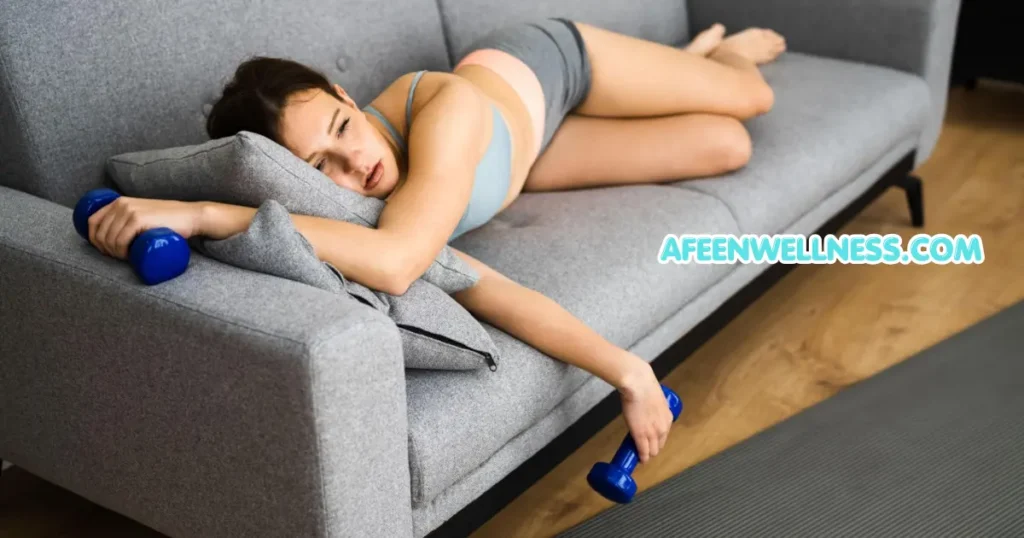
1. Persistent Muscle Pain That Does Not Improve
Muscle soreness is common after exercise, especially when you try a new workout or increase your training intensity. However, pain that continues for several days, becomes worse, or does not improve may indicate that your body needs more recovery time.
During exercise, muscles experience stress and microscopic damage. Your body needs sufficient time, nutrition, and rest to repair and strengthen muscle tissue.
Continuing intense exercise without adequate recovery can increase the risk of overuse injuries and prolonged soreness.
What you should do:
- Take a break from intense workouts.
- Try gentle walking or comfortable stretching if these activities do not increase pain.
- Drink enough water and eat balanced meals.
- Allow sore muscles to recover before training them intensely again.
If you experience severe pain, swelling, significant weakness, or dark-colored urine after exercise, seek medical attention promptly.
2. Extreme Tiredness and Low Energy
Feeling tired after a challenging workout is normal. However, feeling exhausted throughout the day, even after sleeping, may indicate that your exercise routine is too demanding or that something else is affecting your health.
Persistent fatigue can develop when you combine intense physical activity with insufficient sleep, inadequate nutrition, dehydration, or everyday stress.
One of the common signs your body is run down is struggling to complete ordinary daily activities because you have very little energy.
You might notice:
- Feeling exhausted shortly after waking up.
- Having difficulty concentrating.
- Feeling unusually weak during workouts.
- Losing motivation to exercise.
- Needing more recovery time than usual.
What you should do:
Consider taking a rest day, improving your sleep schedule, and eating enough nutritious food. If unusual fatigue continues despite adequate recovery, consult a healthcare professional to investigate other possible causes.
3. Declining Workout Performance
Are you suddenly struggling to lift weights, run your usual distance, or complete exercises that previously felt easy?
A noticeable decline in workout performance can be one of the signs your body needs rest from exercise.
When you train too frequently without sufficient recovery, your muscles and nervous system may not have enough time to adapt to the physical demands.
You may experience:
- Reduced strength.
- Lower endurance.
- Difficulty completing familiar workouts.
- Poor coordination.
- Feeling exhausted earlier than usual.
Instead of increasing your workout intensity, consider reducing your training volume and allowing your body to recover.
Remember, progress does not happen only during exercise. Recovery is an important part of building strength and improving physical performance.
4. Getting Sick More Frequently
Regular moderate exercise generally supports immune health. However, intense training combined with inadequate recovery, poor nutrition, and insufficient sleep can place additional stress on the body.
If you frequently experience colds, sore throats, or other illnesses, it may be worth reviewing your exercise routine and overall recovery habits.
Repeated illness is not automatically a sign of overtraining, but it should not be ignored.
What you should do:
- Prioritize sufficient sleep.
- Eat a balanced diet.
- Avoid intense exercise when you are sick.
- Allow yourself time to recover after illness.
- Speak with a healthcare professional if infections are frequent or unusually prolonged.
5. Difficulty Sleeping or Insomnia
Exercise can improve sleep quality, but excessive training or exercising too intensely without recovery may contribute to sleep difficulties in some people.
You may notice that you feel physically exhausted but cannot fall asleep easily. You might also wake up several times during the night or feel tired even after spending enough hours in bed.
Poor sleep can affect muscle recovery, energy levels, mood, and exercise performance.
Possible warning signs include:
- Difficulty falling asleep.
- Waking up frequently during the night.
- Feeling tired in the morning.
- Restlessness before bedtime.
- Feeling exhausted throughout the day.
Try reducing workout intensity, establishing a relaxing bedtime routine, and allowing enough time between intense exercise and sleep.
If insomnia continues, consider discussing it with a healthcare professional.
6. Increased Irritability and Mood Swings
Your emotional health can also reflect your physical recovery needs.
When you combine intense exercise with insufficient rest, everyday stress, and poor sleep, you may experience increased irritability, anxiety, or changes in mood.
These symptoms are not specific to overtraining, but they can indicate that your overall physical and mental workload is becoming difficult to manage.
You may notice:
- Becoming irritated over small things.
- Feeling unusually anxious.
- Losing interest in your favorite activities.
- Feeling emotionally exhausted.
- Experiencing difficulty concentrating.
Taking time away from intense workouts, getting adequate sleep, and practicing relaxation techniques can support both physical and emotional recovery.
7. Changes in Appetite and Digestive Problems
Changes in appetite and digestion can sometimes occur when your body is experiencing excessive physical or psychological stress.
You might feel less hungry than usual, experience nausea, or notice digestive discomfort around intense workouts.
Other possible symptoms include bloating, stomach discomfort, and changes in normal eating habits.
However, digestive problems can have many causes and should not automatically be attributed to exercise.
What you should do:
- Avoid intense exercise when you feel unwell.
- Eat regular, balanced meals.
- Stay hydrated.
- Give yourself enough time to digest food before demanding workouts.
- Seek medical advice if appetite changes or digestive symptoms persist.
Your body needs sufficient energy and nutrients to support exercise, recovery, and everyday activities.
8. Unusually High Resting Heart Rate
Your resting heart rate is the number of times your heart beats per minute when you are resting.
Some people notice that their resting heart rate is higher than their usual baseline when they are dealing with poor recovery, illness, dehydration, or increased stress.
If you regularly monitor your heart rate, an unusual increase over several mornings may be worth paying attention to.
Other symptoms may include:
- Feeling unusually tired.
- Reduced exercise performance.
- Difficulty recovering after workouts.
- Feeling your heart beating faster than usual while resting.
Resting and reducing exercise intensity may help if physical fatigue is contributing to the change.
However, a persistently elevated resting heart rate can have several medical causes. Seek medical advice if it continues, and seek urgent care for chest pain, fainting, or severe breathing difficulty.
9. Frequent Headaches
Headaches during or after exercise can sometimes be associated with dehydration, overheating, inadequate food intake, muscle tension, or physical strain.
If you frequently experience headaches after workouts, consider whether your exercise intensity, hydration, and recovery habits need attention.
Other possible contributing factors include:
- Exercising in excessive heat.
- Skipping meals.
- Not drinking enough fluids.
- Poor sleep.
- Neck and shoulder tension.
Stop exercising if a headache develops during physical activity, particularly if it is unusual or severe.
A sudden, extremely painful headache, or a headache accompanied by weakness, confusion, vision changes, or other neurological symptoms, requires urgent medical evaluation.
10. Changes in Hormones and Menstrual Cycles
Your body’s hormonal system responds to physical activity, nutrition, sleep, and stress.
When exercise demands exceed the energy available from food and recovery, some people develop a condition known as Relative Energy Deficiency in Sport (REDs).
This can affect both men and women.
Possible symptoms include:
- Irregular or missed menstrual periods.
- Reduced sexual interest.
- Persistent fatigue.
- Changes in mood.
- Reduced bone health.
- Recurrent injuries.
- Poor exercise performance.
These symptoms should not be dismissed as normal consequences of working out.
If you notice menstrual changes, persistent exhaustion, or repeated stress injuries, speak with a healthcare professional. Adequate nutrition and appropriate adjustments to exercise are important for recovery.

16 Signs Your Body Is Telling You Something Is Wrong
Sometimes, the signals that you need rest are not limited to muscle soreness or tiredness. Your body may show several physical, emotional, and behavioral changes.
Here are 16 signs worth paying attention to:
- Constant fatigue even after sleeping.
- Muscle soreness that does not improve.
- Declining workout performance.
- Frequent headaches.
- Difficulty falling or staying asleep.
- Increased irritability or mood changes.
- Unusual weakness.
- Reduced appetite.
- Frequent illness or infections.
- Unusually elevated resting heart rate.
- Persistent joint or muscle pain.
- Loss of motivation to exercise.
- Difficulty concentrating.
- Irregular menstrual cycles.
- Repeated injuries or slow recovery.
- Feeling physically and mentally overwhelmed.
These are possible warning signs, not a checklist for diagnosing a medical condition.
If you experience several symptoms together, particularly if they are persistent or worsening, consider reducing intense exercise and seeking professional advice.
Signs Your Body Is Shutting Down From Stress: What Should You Know?
The phrase signs your body is shutting down from stress is commonly used to describe a situation in which physical and emotional stress become overwhelming.
However, the body does not usually shut down from ordinary stress in a literal sense.
Instead, prolonged stress can affect different body systems and interfere with normal daily functioning.
Some possible signs include:
- Persistent exhaustion.
- Frequent headaches.
- Digestive discomfort.
- Difficulty sleeping.
- Increased anxiety or irritability.
- Muscle tension.
- Difficulty concentrating.
- Changes in appetite.
- Reduced motivation.
- Feeling overwhelmed by everyday responsibilities.
What Happens When Your Body Shuts Down From Stress?
When stress continues for an extended period, the body’s stress-response system can remain activated more frequently than is healthy.
This may affect sleep, digestion, mood, energy levels, and immune function.
If you are also exercising intensely without sufficient recovery, the combined physical and emotional demands may make fatigue and other symptoms worse.
The best approach is to reduce unnecessary demands, prioritize sleep and nutrition, incorporate relaxation, and adjust your exercise routine.
If you experience severe weakness, fainting, chest pain, breathing difficulties, or other concerning symptoms, seek medical attention rather than assuming stress is the cause.
Why Rest Is Essential for Exercise Progress
Many people believe that taking a rest day will slow down their fitness progress. In reality, recovery is an essential part of an effective exercise routine.
Your body needs time to adapt to physical activity. Without enough recovery, you may experience persistent fatigue, reduced performance, and a higher risk of injury.
Here are four important reasons why rest matters.
1. Muscles Repair and Grow
During resistance training and other demanding activities, muscle tissue experiences physical stress.
Recovery allows the body to repair and adapt to that stress. This process helps improve muscle strength and physical performance over time.
Without sufficient recovery, repeated training can increase the risk of overuse injuries and prolonged soreness.
2. Hormonal Systems Recover
Exercise influences several hormones involved in energy regulation, stress responses, metabolism, and recovery.
Adequate sleep, nutrition, and rest help support normal hormonal regulation.
When training is combined with insufficient food intake and poor recovery, hormonal and metabolic problems can develop.
3. Energy Stores Refill
Your muscles use stored carbohydrates, known as glycogen, to provide energy during exercise.
Rest and appropriate nutrition help replenish these energy stores.
Eating enough carbohydrates, protein, healthy fats, and other essential nutrients supports recovery and prepares your body for future physical activity.
4. Your Nervous System Recovers
Exercise places demands on both your muscles and nervous system.
Your nervous system coordinates movement, balance, strength, and physical performance.
Adequate recovery helps restore your ability to perform exercise effectively and can reduce the risk of physical and mental exhaustion.
How to Know When Your Body Needs Rest Instead of Exercise
It is important to understand the difference between normal exercise discomfort and symptoms that indicate you need recovery.
Consider taking a rest day or reducing exercise intensity when you experience:
- Unusual fatigue that affects daily activities.
- Persistent muscle soreness.
- A noticeable decrease in workout performance.
- Poor sleep and increased irritability.
- Unusual weakness or dizziness.
- Pain that becomes worse with movement.
You do not necessarily need to stop all physical activity.
Depending on how you feel, gentle walking, comfortable stretching, or other low-intensity movement may be appropriate.
However, if you have an injury, fever, significant dizziness, or concerning symptoms, avoid exercising until you have recovered or received appropriate medical advice.
How Many Rest Days Do You Need?
There is no single number of rest days that works for everyone.
Your recovery needs depend on your fitness level, exercise intensity, age, sleep quality, nutrition, and overall health.
For example:
- Beginners: May need more recovery time when starting a new exercise routine.
- Strength trainers: Often benefit from allowing muscle groups adequate recovery between demanding sessions.
- Endurance athletes: May need recovery days or easier training sessions after intense workouts.
- People experiencing fatigue: May need to temporarily reduce training intensity and prioritize sleep and nutrition.
Remember that rest does not mean you must remain inactive all day. Light movement can be beneficial when you feel well enough to do it.
The Bottom Line: Listen to Your Body
Exercise is essential for maintaining a healthy lifestyle, but more exercise is not always better.
Persistent muscle pain, extreme fatigue, declining workout performance, difficulty sleeping, mood changes, and repeated injuries may indicate that your body needs additional recovery.
Learning to recognize the signs your body needs rest from exercise can help you avoid unnecessary strain and maintain a sustainable fitness routine.
The next time you feel unusually exhausted or struggle to recover after a workout, consider whether your body needs rest instead of another training session.
Rest is not laziness. It is an important part of a healthy exercise routine. Give your body the time, nutrition, and sleep it needs to recover so you can return to physical activity safely.
Frequently Asked Questions (FAQs)
How do I know if I need rest or exercise?
Pay attention to your energy levels, muscle soreness, sleep quality, and overall health. If you feel energetic and have only mild muscle soreness, light or moderate exercise may be appropriate. However, persistent fatigue, worsening pain, dizziness, illness, or declining performance may indicate that you need rest. Stop exercising if you experience concerning symptoms.
What are 10 signs that I might be overtraining?
Ten possible signs of inadequate recovery or overtraining include:
Persistent muscle soreness.
Extreme fatigue.
Declining workout performance.
Difficulty sleeping.
Increased irritability.
Frequent illnesses.
Unusually elevated resting heart rate.
Loss of motivation.
Repeated injuries.
Changes in appetite or menstrual cycles.
These symptoms can have other causes, so persistent problems should be evaluated by a healthcare professional.
What are 7 warning signs of stress?
Seven common physical and emotional signs of stress include:
Constant tiredness.
Frequent headaches.
Difficulty sleeping.
Increased anxiety.
Digestive problems.
Muscle tension.
Irritability or mood changes.
If stress begins interfering with your daily life, consider seeking professional support.
What are the symptoms of not exercising?
A prolonged lack of physical activity may contribute to:
Reduced cardiovascular fitness.
Decreased muscle strength.
Lower physical endurance.
Reduced mobility.
Increased risk of certain chronic diseases.
Changes in weight and metabolic health.
Poorer sleep and mood in some people.
However, taking occasional rest days is not the same as living an inactive lifestyle. Recovery is necessary for maintaining a healthy exercise routine.
What happens when your body shuts down from stress?
Prolonged stress can affect your sleep, digestion, mood, energy levels, and ability to concentrate. You may experience exhaustion, headaches, muscle tension, and changes in appetite. The expression does not necessarily mean that your organs are shutting down. Severe or unusual symptoms require medical evaluation.
When should I stop exercising immediately?
Stop exercising if you experience chest pain, fainting, severe dizziness, unusual shortness of breath, sudden severe headaches, or significant pain. Seek urgent medical attention for serious or sudden symptoms.
Is it better to rest or exercise when feeling tired?
It depends on the type of tiredness. Mild tiredness may improve with gentle movement, but extreme fatigue or persistent exhaustion may require rest. Consider your sleep, nutrition, hydration, and overall health before deciding to exercise.
Can too much exercise cause hormonal problems?
Yes. Excessive exercise combined with insufficient calorie intake and inadequate recovery can disrupt normal hormonal function. In women, this may cause irregular or missed periods. In both men and women, low energy availability can affect reproductive health, bone health, and physical performance.
How many days should I rest after an intense workout?
Recovery time depends on exercise intensity, fitness level, and individual health. Some people recover within a day, while others need longer after demanding workouts. Persistent soreness, fatigue, and declining performance are reasons to adjust your training schedule.
Can I walk on rest days?
Yes. Gentle walking is generally suitable on rest days if you feel well and do not have an injury or medical reason to avoid it. Light movement can help maintain mobility without placing the same demands on your body as an intense workout.
Health Disclaimer: This article is for educational purposes only and does not replace professional medical advice, diagnosis, or treatment. Persistent fatigue, pain, sleep problems, or other unusual symptoms should be discussed with a qualified healthcare professional.
Medical References and Further Reading
The following trusted medical and scientific resources were consulted to support the information in this article:
- Cleveland Clinic: Overtraining Syndrome: Symptoms, Causes & Treatment Options
- MedlinePlus: Are You Getting Too Much Exercise?
- NHS: Get Help With Stress
- Centers for Disease Control and Prevention (CDC): Adult Activity: An Overview
- International Olympic Committee (IOC): 2023 Consensus Statement on Relative Energy Deficiency in Sport (REDs)
- PubMed: 2023 IOC Consensus Statement on REDs
- NHS: Headaches – Causes and When to Seek Medical Help