
Exercises for Lazy People: 10 Easy Exercises to Do at Home
By the Afeen Wellness Team · Last updated: November 2026
Being active does not have to mean strenuous workouts, costly gym memberships or complicated training plans. In fact, some of the best exercises are simple, low-effort movements you can do comfortably throughout the day. If you think of yourself as lazy when it comes to exercise, the good news is that you do not need strong motivation to stay fit. You only need easy, uncomplicated activities that hardly feel like exercise at all.
This guide gives you a complete exercises list you can do at home, including 10 exercises at home, a daily routine of 7 exercises to do every day and ideas for exercises for women, exercises for men and exercises for kids. We also explain the exercises meaning and answer common questions such as “What are the 5 basic exercises?”

Key Takeaways
- Exercises do not need to be hard to be useful. Gentle daily movement improves circulation, joint health, mood and energy.
- You can do all of the exercises in this guide at home, with no equipment.
- A simple daily routine of 7 exercises takes about 15 to 20 minutes.
- Adults should aim for at least 150 minutes of moderate activity a week, and short bursts count.
- Start small, stay consistent and build up gradually.
- If you have a health condition or are pregnant, talk to your doctor before starting a new exercise routine.
Exercises Meaning: What Are Exercises?
Before the list, a quick definition. Exercises are physical activities that you do to improve or maintain your fitness, strength, flexibility or health. Examples include walking, squats, stretching and swimming. “Exercises” is the plural of the noun “exercise” (as in “do these exercises”), and it is also the verb form used with “he”, “she” or “it” (as in “she exercises every morning”).
A note on spelling: the correct spelling is exercise. People often search for “excercise”, but that is a common misspelling. If you see “excercise” or “excercises” anywhere, it simply means “exercise” or “exercises”.
Why Simple Exercises Work
You do not need an intense workout to get real benefits. Gentle exercises:
- Improve blood circulation. Light movement such as walking, stretching or easy dancing helps your heart pump blood around your body, carrying oxygen and nutrients to your muscles and organs. Better circulation can also support healthy skin and recovery.
- Keep joints flexible. Arm circles, shoulder rolls and gentle stretches help keep your joints moving through their natural range. Joints that are not used often tend to get stiff, so a few minutes of slow movement each day makes a difference.
- Burn calories slowly but steadily. Walking around the house, taking the stairs or light dancing use energy all day. The amount is smaller than a vigorous workout, but it is regular, and regular movement supports a healthy weight and general fitness.
- Reduce stiffness and aches. Long periods of sitting or lying down tighten the muscles, especially in the back, neck and legs. Stretching, marching and gentle yoga keep muscles loose and help prevent the aches that come from inactivity.
- Boost mood and energy. Even low-intensity movement helps your body release endorphins, which are natural feel-good chemicals. This can lift your mood, ease stress and fight tiredness.
Exercises List: The 5 Basic Exercises
If you are wondering what the 5 basic exercises are, most fitness guides point to five simple bodyweight moves that work your whole body:
- Squats. Work your legs, buttocks and core.
- Press-ups (push-ups). Work your chest, shoulders, arms and core. Beginners can do them against a wall.
- Lunges. Work your legs and improve balance.
- Planks. Strengthen your core and improve posture.
- Glute bridges. Strengthen your buttocks, hamstrings and lower back.
You will find easier versions of these in the list below, such as chair squats and wall press-ups.
10 Exercises at Home for Lazy People
Here are 10 easy exercises at home that need no equipment and very little effort.
1. Walking Around the House
Walking around your home is one of the simplest ways to keep active, and it needs no equipment and hardly any space. Pace while you talk on the phone, walk around during TV adverts or make an extra trip to put the washing away. This gentle movement improves blood flow, works your leg muscles and keeps your joints flexible without feeling like a workout.
How to do it: Walk around your home for 5 minutes, a few times a day.
2. Bed Stretches Before Getting Up
Wake your body up with easy stretches before you get out of bed. They ease morning stiffness, warm up your joints and improve flexibility over time.
How to do it: While lying on your back, reach your arms overhead, point and flex your toes, gently twist your hips from side to side and hug your knees towards your chest. Spend about 1 to 2 minutes.
3. Wall Press-Ups
Wall press-ups build upper-body strength with very little strain on your wrists and joints. They are low impact, need no equipment and can be done anywhere with a flat wall.
How to do it: Stand an arm’s length from a wall and place your palms on it at shoulder height. Slowly bend your elbows to lean in towards the wall, then push back to the start. Do 8 to 10 repetitions. They work your chest, shoulders and triceps.
4. Chair Squats
Chair squats strengthen your legs, buttocks and core. The chair gives you support and helps you keep good form, which makes them ideal if you are nervous about squatting on the floor. They also make everyday tasks, such as getting out of a chair or climbing stairs, easier.
How to do it: Stand in front of a sturdy chair. Slowly lower yourself until you lightly touch the seat, then stand back up, keeping your back straight and using your legs and core, not your hands. Do 8 to 10 repetitions.
5. Marching in Place
Marching raises your heart rate, boosts circulation and works your legs and core, all without equipment. You can do it while you watch TV, talk on the phone or cook.
How to do it: Stand tall and lift your knees alternately while swinging your arms. Do it for 1 to 2 minutes.
6. Leg Raises While Lying Down
Lying leg raises strengthen the lower abdominal muscles and tone the legs, with little strain on the joints. You can do them on a bed or a mat.
How to do it: Lie on your back with your legs straight. Slowly lift one leg, or both if you are able to, a short way off the floor, then lower it gently without letting it drop. Do 6 to 10 repetitions. If your lower back feels strained, bend your knees slightly or lift one leg at a time.
7. Stair Walking
Climbing stairs works your calves, thighs, buttocks and core, and it gives your heart and lungs a good workout. It is free, needs no equipment and fits into your normal day at home, at work or in a car park. Regular stair climbing improves cardiovascular fitness, stamina and balance.
How to do it: Walk up and down your stairs at a comfortable pace for a few minutes a few times a day. Use the handrail, and take extra care on the way down.
8. Shoulder Rolls and Neck Rotations
These simple movements are perfect if you sit a lot or work at a desk. They relieve tension in the neck, shoulders and upper back that comes from slouching or long periods of sitting.
How to do it: Lift your shoulders towards your ears and roll them backwards in slow circles, 10 times, then forwards. For the neck, slowly turn your head to one side, then the other, or make small, gentle circles. Move slowly and stop if anything hurts.
9. Light House Cleaning
Sweeping, mopping, dusting and tidying involve bending, reaching and stretching, which burns calories and improves circulation. It is not a traditional workout, but it works several parts of your body, trains your core and keeps you out of your chair. It can also boost your mood and give you a sense of achievement.
How to do it: Put on some music and clean for 15 to 20 minutes with energy.
10. Seated Leg Extensions
Seated leg extensions are ideal if you spend long hours sitting. They strengthen the thigh muscles, support the knees and improve circulation in the legs.
How to do it: Sit up straight on a chair. Straighten one leg out in front of you, hold for a few seconds, then slowly lower it. Repeat with the other leg, 10 times each.
7 Exercises to Do Every Day (A Simple Daily Routine)
Wondering what the daily 7 exercises are? Here is an easy daily routine of 7 exercises to do every day that takes around 15 to 20 minutes and uses the moves above:
| # | Exercise | How long |
| 1 | Bed stretches | 1 to 2 minutes |
| 2 | Shoulder rolls and neck rotations | 1 minute |
| 3 | Chair squats | 8 to 10 repetitions |
| 4 | Wall press-ups | 8 to 10 repetitions |
| 5 | Marching in place | 1 to 2 minutes |
| 6 | Seated leg extensions | 10 per leg |
| 7 | Walking around the house or stairs | 5 minutes |
Do the routine in one go or split it into two or three short sessions. Doing it every day matters more than how hard you push.
What Are the 10 Best Exercises?
There is no single “best” list, because the best exercises are the ones you can do safely and will keep doing. But these 10 are widely recommended because they work many muscles and suit most people:
- Walking
- Squats (chair squats for beginners)
- Press-ups (wall or knee press-ups for beginners)
- Planks
- Lunges
- Glute bridges
- Stair climbing
- Swimming
- Cycling
- Stretching or yoga
A balanced week includes cardio, strength, flexibility and balance.
Exercises for Women
The same exercises work well for women and men. A few areas deserve extra attention for women:
- Strength training. Squats, glute bridges and wall or knee press-ups help build muscle and bone strength, which is especially important as bone density falls after the menopause.
- Core and back. Bird dogs (on hands and knees, extend one arm and the opposite leg) and gentle planks support your posture.
- Pelvic floor exercises. Squeezing and lifting the muscles you use to stop yourself passing urine can help with bladder control, particularly after pregnancy.
- Walking and dancing. Regular, enjoyable cardio supports heart health and mood.
If you are pregnant, recently gave birth or have a health condition, check with your doctor or midwife before starting new exercises.
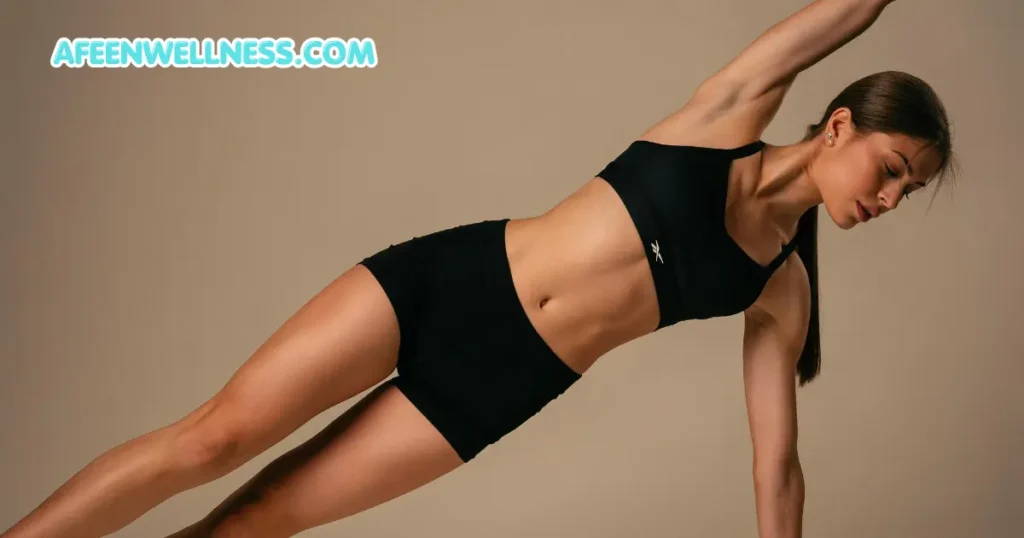
Exercises for Men
Exercises for men follow the same principles. Many men focus on lifting and neglect mobility, so make sure your routine also includes:
- Strength. Press-ups, squats, lunges and planks build muscle and core stability.
- Mobility and stretching. Hip, hamstring and shoulder stretches keep you moving well and reduce the risk of injury.
- Cardio. Brisk walking, stairs and cycling support a healthy heart.
- Back-friendly core work. Leg raises, bird dogs and planks protect the lower back.
If you are over 40, have not exercised for a while or have a health condition, check with your doctor before starting something intense.
Exercises for Kids
Children need lots of movement, and it should feel like play. UK guidelines recommend that children and young people (5 to 18) average at least 60 minutes of moderate to vigorous activity a day, and that young children are active throughout the day. Fun exercises for kids include:
- Dancing to music
- Hopscotch, skipping and hula hoops
- Animal walks (bear crawls, frog jumps, crab walks)
- Obstacle courses at home or in the garden
- Cycling, scooting and swimming
- Playground games such as tag and treasure hunts
Keep it playful, supervise younger children and avoid heavy weights. Active play with a parent is also a great way to get your own movement in.
How to Make Exercises a Habit (Even If You Feel Lazy)
- Start small. Five minutes counts. You can always do more once it feels easy.
- Attach exercises to something you already do. Do chair squats while the kettle boils or marching while the TV adverts are on.
- Make it enjoyable. Put on music, a podcast or your favourite show.
- Aim for consistency, not perfection. A short daily routine beats a long workout you skip.
- Build up gradually. Add a few repetitions or minutes each week.
- Track it. Put a tick on the calendar each time you move.
When to Talk to a Doctor
Gentle exercises are safe for most people, but speak to your doctor first if you have a heart condition, high blood pressure, joint or back problems, are pregnant or have not exercised for a long time. Stop and seek medical help if you have chest pain, severe breathlessness, dizziness or sharp pain while exercising.
The Bottom Line
Being lazy does not mean you cannot be healthy. It simply means you need smarter, easier ways to move. With the simple exercises in this guide, you can get fitter without stress, without the gym and without feeling exhausted.
Start small. Stay consistent. Let easy exercises change how you feel.
Frequently Asked Questions
What are the 10 best exercises?
There is no single best list, but widely recommended exercises include walking, squats, press-ups, planks, lunges, glute bridges, stair climbing, swimming, cycling and stretching or yoga. They work many muscles, are easy to scale and suit most people. Choose the ones you enjoy and can do regularly.
Is it exercise or excercise?
The correct spelling is exercise. “Excercise” is a common misspelling. The plural is “exercises” (also the verb form, as in “she exercises daily”).
What are the daily 7 exercises?
A simple daily routine of 7 exercises is: bed stretches, shoulder rolls and neck rotations, chair squats, wall press-ups, marching in place, seated leg extensions and a 5-minute walk or stair climb. It takes about 15 to 20 minutes and needs no equipment.
What are the 5 basic exercises?
The 5 basic exercises are squats, press-ups, lunges, planks and glute bridges. Together they work your legs, core, back and upper body. Beginners can start with chair squats and wall press-ups.
What does exercises mean?
Exercises are physical activities done to improve or maintain fitness, strength, flexibility or health, such as walking, squats or stretching.
What are the best exercises at home for beginners?
Good beginner exercises at home include walking around the house, chair squats, wall press-ups, marching in place, seated leg extensions, bed stretches and stair walking. None need equipment, and you can do them in short sessions.
Are exercises for women different from exercises for men?
Not very. The same exercises work well for everyone. Women may want to focus a little more on strength and bone health and on pelvic floor exercises, while men may want to include more stretching and mobility work. The best routine is one that fits your body and goals.
What are good exercises for kids?
Active play is best: dancing, skipping, hopscotch, animal walks, obstacle courses, cycling, swimming and playground games. UK guidelines recommend an average of at least 60 minutes of moderate to vigorous activity a day for children aged 5 to 18.
Can lazy people get fit with simple exercises?
Yes. Regular gentle movement improves circulation, joint health, mood and energy, and it adds up. Combining simple exercises with a daily walk and some strength exercises such as chair squats and wall press-ups is enough to make a real difference.
How long should I exercise each day?
Adults should aim for at least 150 minutes of moderate activity a week, which is about 30 minutes on five days. You can break it into 10-minute sessions. Even less is better than nothing, so start with what you can manage.
This article is for information only and does not replace personalised medical advice. If you have a health condition, are pregnant or have concerns about starting exercise, speak to a doctor or qualified health professional first.
Sources and Further Reading
- NHS: Physical activity guidelines for adults, and for children and young people (Live Well)
- UK Chief Medical Officers: Physical activity guidelines
- World Health Organization: Physical activity fact sheet
- NHS: Strength and flexibility exercises
- NHS: Pelvic floor exercises