By the Afeen Wellness Team | Last reviewed: November 2026
Lower back pain is one of the most common health complaints in adults. It can feel like a dull ache, a sharp stab, stiffness, or a sudden muscle spasm, and it can make work, sleep, and everyday life harder. The good news is that most lower back pain improves within a few weeks, and there is a lot you can do to relieve it and stop it coming back.
In this guide you will learn the main lower back pain causes, the most common lower back pain symptoms, why pain may show up on one side (such as lower left back pain), how kidney problems can be involved, and which stretches and exercises for lower back pain really help. You will also find tips on sleeping positions, the red flags you should never ignore, and answers to the most frequently asked questions.
Quick answer: Most lower back pain is caused by a strained muscle or ligament. Gentle movement, heat, good posture, and light exercise usually bring relief. See a doctor urgently if you have numbness around the groin, trouble controlling your bladder or bowels, fever, or pain after a fall or accident.
What Is Lower Back Pain?
The lower back, or lumbar spine, is a complex structure made of vertebrae, discs, muscles, ligaments, tendons, and nerves. It supports the upper body, allows you to bend and twist, and protects the spinal cord. Because it carries so much weight and moves all day long, it is easily strained or injured.
Lower back pain is not a diagnosis. It is a symptom, and it can come from many different causes, from a simple muscle strain to a spinal condition. Mild pain often settles by itself, but pain that is severe, keeps returning, or lasts longer than a few weeks should be checked by a healthcare professional.
Lower Back Pain Symptoms
Symptoms vary from person to person. Common signs include:
- A dull, aching pain in the lower back
- Sharp or stabbing pain when you bend, lift, or twist
- Stiffness, especially in the morning or after sitting for a long time
- Muscle spasms or tightness
- Pain that spreads into the buttock, hip, or leg (sciatica)
- Pain that eases when you change position or walk, or gets worse when you sit or stand for long periods
- Tingling, numbness, or weakness in the leg or foot, which needs medical attention
Lower Back Pain Causes
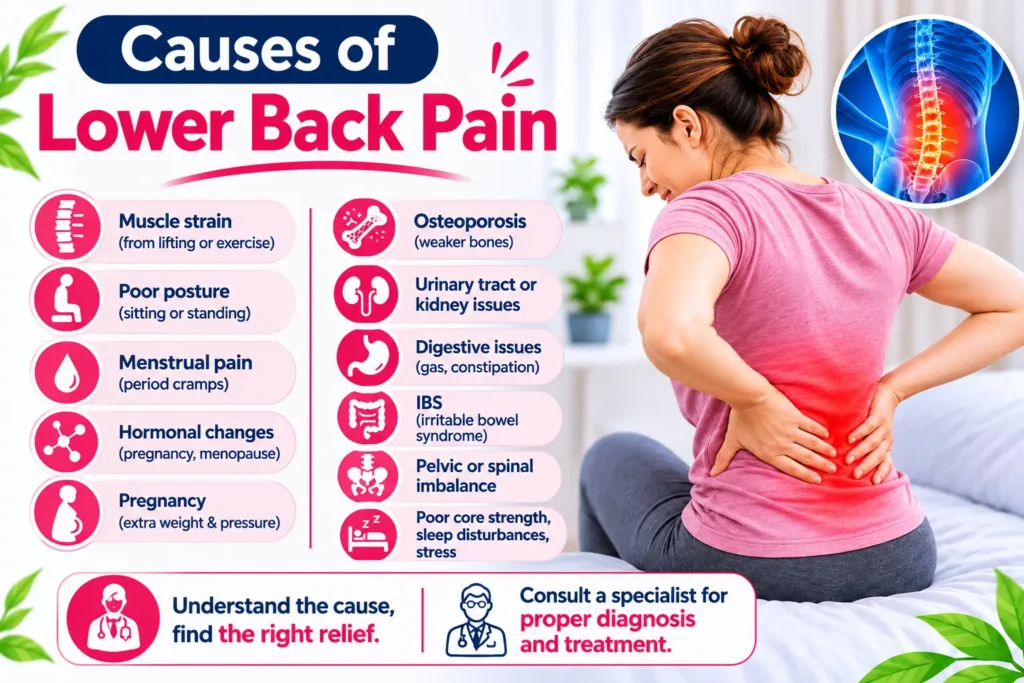
Understanding the cause of your pain is the first step towards treating it and preventing it. These are the most common causes of lower back pain in adults.
Muscle or Ligament Strain
This is the number one cause. Sudden movements, lifting heavy objects the wrong way, or overusing your back during exercise can cause tiny tears in muscle fibres, leaving the area painful and tight. Repeated bending and twisting add to the stress over time.
Poor Posture
Sitting, standing, or working in a slouched position for long periods overloads the spine. Poor posture can also weaken the core muscles, which reduces support for the spine and makes injury more likely.
Herniated or Bulging Discs
The discs between your vertebrae act as shock absorbers. With age or injury they can bulge or herniate and press on nearby nerves. This can cause lower back pain, numbness, or weakness, and sometimes pain that travels down the leg (sciatica).
Arthritis
Osteoarthritis, caused by wear and tear of cartilage, is a common cause of lower back pain. In the spine it can narrow the space around the spinal cord or nerves (spinal stenosis), causing pain and stiffness, especially in older adults.
Excess Weight
Carrying extra weight, particularly around the abdomen, puts additional strain on the lower back muscles and spine. Over time this can lead to chronic pain and speed up wear in the spinal joints and discs.
Sedentary Lifestyle
A lack of exercise weakens the core and back muscles that support your spine. Weak muscles struggle to hold good posture, so even small strains can cause pain.
Osteoporosis
Osteoporosis makes bones weak and more likely to fracture. A small fracture in a vertebra can cause sudden or lingering lower back pain, particularly in women after menopause.
Stress and Mental Health
Stress, anxiety, and low mood can increase muscle tension, lower your pain threshold, and disturb sleep. They can also lead to less activity and poorer posture, all of which can make back pain worse.
Smoking
Smoking reduces blood flow and the supply of oxygen and nutrients to spinal tissues. This slows healing and increases the risk of disc degeneration, which is why smokers are more likely to develop chronic lower back pain.
Structural Problems
Conditions such as scoliosis, bone spurs, or misaligned vertebrae can change how the spine moves and lead to long-term pain.
Age-Related Degeneration
As we age, discs lose moisture and become stiffer, ligaments tighten, and muscles weaken. This natural wear makes lower back pain more common after the age of 50.
What Causes Lower Back Pain in Females?
Women can get all of the causes above, plus some that are linked to the female body and hormones:
- Menstrual cramps (dysmenorrhea): Period pain often radiates to the lower back.
- Endometriosis, fibroids, or ovarian cysts: These conditions can cause deep, persistent pelvic and lower back pain.
- Pregnancy: Weight gain, a shifting centre of gravity, and hormones that loosen the ligaments commonly cause lower back and pelvic pain.
- Osteoporosis after menopause: Falling oestrogen levels weaken bones, which raises the risk of spinal fractures.
- Urinary tract or kidney infections: These can cause pain in the lower back, often with burning when you pass urine.
Sudden Lower Back Pain in Females
Sudden lower back pain in a woman is often due to a muscle strain or a spasm after lifting or twisting. But it can also be linked to period pain, an ovarian cyst, a urinary or kidney infection, or, rarely, a spinal fracture. Seek medical help quickly if the pain is severe, comes with fever, vomiting, heavy bleeding, or if you could be pregnant.
Lower Back Pain in Females: Remedies That Can Help
For mild pain linked to muscle strain or periods, these steps may help:
- Apply a warm heat pad or hot water bottle for 15 to 20 minutes
- Keep moving with gentle walking and stretching instead of staying in bed
- Try over-the-counter pain relief if it is safe for you (ask a pharmacist or doctor, especially if you are pregnant or have other health conditions)
- Practise relaxation, deep breathing, or gentle yoga to ease muscle tension
- Stay hydrated and eat a balanced diet
If the pain returns every month, is severe, or does not respond to simple measures, see a doctor to rule out conditions such as endometriosis.
What Causes Lower Back Pain in Males?
Men share most of the common causes, but some are more typical in men:
- Heavy lifting and manual work: Muscle and ligament strain is very common in physically demanding jobs and gym training.
- Kidney stones: These are more common in men and can cause severe pain in the back and side.
- Prostate problems: Prostatitis or an enlarged prostate can cause pain in the lower back or pelvic area, often with urinary symptoms.
- Ankylosing spondylitis: This inflammatory condition often starts in younger men and causes morning stiffness that eases with movement.
- Long hours of sitting: Driving and desk work weaken back muscles over time.
Lower Left Back Pain and Lower Back Pain Bottom Left
If you feel lower left back pain or lower back pain at the bottom left, the cause is most often musculoskeletal, such as a strained muscle, a stiff joint, or a pinched nerve (sciatica) on that side. Sleeping or sitting awkwardly, or favouring one side when lifting, can trigger it.
Other possible causes of pain on the lower left side include:
- A kidney stone or kidney infection on the left side
- Sacroiliac joint irritation (where the spine meets the pelvis)
- Digestive problems, such as constipation or diverticulitis
- In women, an ovarian cyst or endometriosis
Pain that is constant, severe, or comes with fever, vomiting, blood in the urine, or changes in bowel habits needs a medical check-up.
Lower Back Pain and Kidney Problems: How to Tell the Difference
Muscle pain and lower back pain from the kidneys can feel similar, but there are clues:
| Muscle or spine pain | Kidney-related pain | |
| Location | Lower back, often across both sides | Higher up, under the ribs, on one side (flank) |
| Effect of movement | Changes with position or movement | Usually does not change with movement |
| Type of pain | Dull ache or sharp when moving | Deep, severe, may come in waves |
| Other symptoms | Stiffness, tightness | Fever, chills, nausea, burning urination, blood in urine |
If you suspect a kidney stone or infection, contact a doctor the same day.
Risk Factors for Lower Back Pain
You are more likely to develop lower back pain if you:
- Are over 50: Discs dry out, joints wear down, and muscles weaken with age.
- Have a physical or sitting-heavy job: Heavy lifting, long driving hours, and repetitive bending all strain the back.
- Are inactive: Weak core muscles, reduced flexibility, and poor circulation slow recovery.
- Have poor nutrition: Low calcium, vitamin D, and protein can weaken bones and slow muscle repair, while heavily processed foods may promote inflammation.
- Have had a previous back injury: Scar tissue, weaker structures, and changed movement patterns increase the chance of repeat injury.
- Smoke or are overweight: Both put extra stress on spinal health.
How Do You Relieve Lower Back Pain?
These lower back pain relief tips work for most people with mild to moderate, non-serious pain:
- Keep moving. Gentle walking and normal daily activity recover faster than bed rest. Avoid long periods of lying down.
- Use heat or cold. Ice for the first day or two can reduce swelling. After that, a warm pack can relax tight muscles.
- Try over-the-counter pain relief. Paracetamol (acetaminophen) or anti-inflammatory medicines such as ibuprofen may help short term. Check with a doctor or pharmacist first, especially if you have kidney, stomach, or heart conditions.
- Do gentle stretches. Slow, controlled movements loosen stiff muscles.
- Fix your posture. Support your lower back with a small cushion when sitting, and stand up and move every 30 minutes.
- Manage stress. Deep breathing, meditation, and good sleep reduce muscle tension.
- Consider a professional. A physiotherapist, chiropractor, or doctor can provide a tailored plan if pain lasts more than a few weeks.
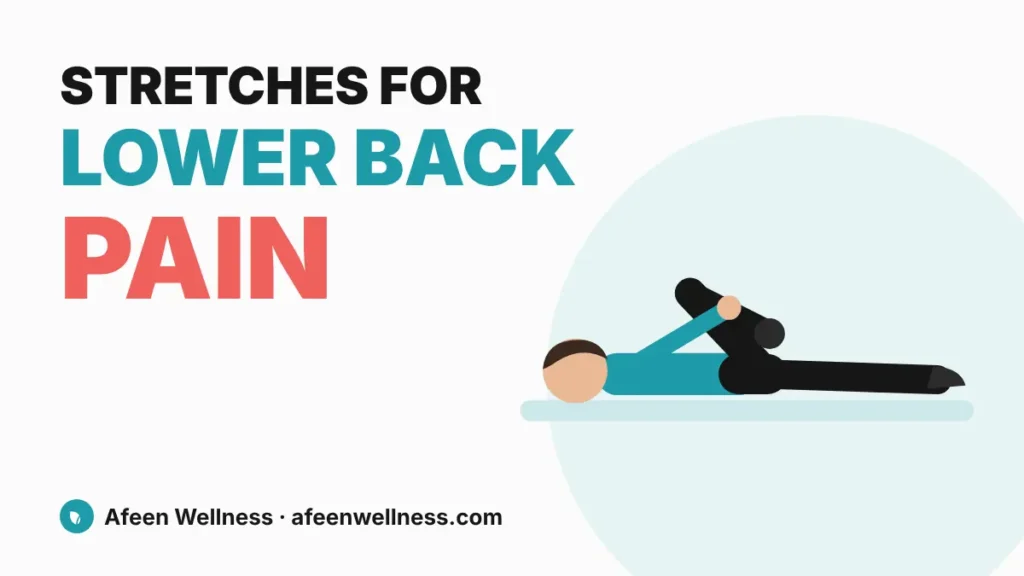
Stretches for Lower Back Pain
Gentle stretching can reduce stiffness and improve flexibility. Move slowly and stop if you feel sharp or radiating pain.
- Cat-Cow Stretch: On your hands and knees, arch your back upwards (cat), then lower your belly and lift your head and tailbone (cow). Repeat slowly 10 to 15 times.
- Knee-to-Chest Stretch: Lying on your back, gently pull one knee towards your chest and hold for 20 to 30 seconds. Switch sides.
- Child’s Pose: Kneel, sit back on your heels, and stretch your arms forward on the floor. Hold for 30 seconds while breathing deeply.
Lower Back Pain Exercises to Strengthen Your Back
Strong core and back muscles protect your spine. These lower back pain exercises are simple and can be done at home:
- Pelvic Tilts: Lie on your back with your knees bent. Tighten your stomach muscles and tilt your pelvis so your lower back flattens against the floor. Hold for 5 seconds. Repeat 10 to 15 times.
- Bridges: Lie on your back with your knees bent and lift your hips towards the ceiling. Lower slowly. This strengthens the glutes and lower back muscles.
- Bird Dog: On your hands and knees, extend one arm and the opposite leg at the same time, keeping your spine neutral. Hold for a few seconds, then switch sides.
- Walking: A simple, low-impact way to engage the core, improve circulation, and strengthen the lower back.
Start with a few repetitions and build up gradually. If an exercise increases your pain or causes numbness or tingling in your legs, stop and speak to a healthcare professional.
How to Sleep to Relieve Lower Back Pain
Your sleeping position can make a real difference to how your back feels in the morning:
- On your back: Place a pillow under your knees to keep the natural curve of your spine.
- On your side: Put a pillow between your knees to keep the hips and spine aligned. A slightly curled position can ease pressure on the lower back.
- On your stomach: This is usually the hardest position for the back. If it is the only position that works, place a thin pillow under your lower abdomen and hips.
- Mattress: A medium-firm mattress that supports the natural spine curve works well for many people.
A warm shower before bed and gentle stretching can also help your muscles relax.
What Are the 5 Red Flags of Low Back Pain?
Most back pain is not serious, but these warning signs may point to a more serious condition and need prompt medical attention:
- Loss of bladder or bowel control, or numbness around the groin or inner thighs (saddle numbness). This can signal cauda equina syndrome, which is an emergency.
- Pain after a serious injury or fall, especially in older adults or people with osteoporosis.
- Fever, chills, or feeling generally unwell with back pain, which can indicate an infection.
- Unexplained weight loss or a history of cancer.
- Worsening leg weakness, or severe pain that is worse at night or when resting.
Other reasons to see a doctor include pain that has lasted more than 4 to 6 weeks, pain starting before age 20 or after age 55, and pain that does not improve with rest and simple home care.
What Is the Reason for My Lower Back Pain?
The most likely reason is a strained muscle or ligament, often linked to poor posture, sitting too long, lifting incorrectly, or a lack of exercise. Pain that goes down the leg may point to a nerve problem such as sciatica. Pain with fever, urinary symptoms, or blood in the urine may point to a kidney issue. Only a healthcare professional can diagnose the exact cause, so see a doctor if you are unsure or the pain is not improving.
How to Prevent Lower Back Pain
- Stay active and exercise regularly, including core-strengthening work
- Maintain a healthy weight
- Lift with your knees, not your back, and hold loads close to your body
- Set up your desk ergonomically and take movement breaks
- Eat a balanced diet with enough calcium, vitamin D, and protein
- Do not smoke
- Manage stress and sleep well
- Rehabilitate any back injury fully, with strengthening and posture training
For more on working at a desk, read our guide on Work-From-Home Back Pain Solution.
Frequently Asked Questions (FAQs)
How do you relieve lower back pain fast?
Keep moving with gentle walking, apply a heat pack for 15 to 20 minutes, and try simple stretches such as knee-to-chest or cat-cow. Over-the-counter pain relief may help in the short term if it is safe for you. Avoid long bed rest.
What is the reason for my lower back pain?
The most common reasons are muscle or ligament strain, poor posture, sitting for long hours, and weak core muscles. Disc problems, arthritis, kidney issues, and other conditions can also be responsible. A doctor can find the exact cause.
What are the 5 red flags of low back pain?
The main red flags are loss of bladder or bowel control with groin numbness, pain after major trauma, fever or unexplained illness, unexplained weight loss or a history of cancer, and worsening leg weakness or severe night pain. Get urgent help if you notice any of these.
How should I sleep to relieve lower back pain?
Sleep on your side with a pillow between your knees, or on your back with a pillow under your knees. A medium-firm mattress is a good choice for many people.
Can lower back pain be a sign of kidney problems?
Yes. Kidney pain is usually felt higher up under the ribs on one side and may come with fever, nausea, burning urination, or blood in the urine. If you have these symptoms, see a doctor promptly.
Why do I have lower left back pain?
Most of the time it is a muscle strain, joint irritation, or a pinched nerve. Less often it is caused by a left kidney stone, an infection, a digestive problem, or, in women, a gynaecological condition.
What causes sudden lower back pain in females?
Common causes are muscle spasms, period pain, ovarian cysts, and urinary or kidney infections. Severe pain with fever, vomiting, or heavy bleeding needs urgent medical care.
Which stretches are best for lower back pain?
Cat-cow, knee-to-chest, and child’s pose are gentle options that many people find helpful. Pelvic tilts and bridges add strength. Stop if any movement increases your pain.
How long does lower back pain last?
Most episodes of acute lower back pain improve within a few weeks. If your pain lasts more than 4 to 6 weeks or keeps coming back, see a healthcare professional.
When should I see a doctor for lower back pain?
See a doctor if you have any red flag symptoms, pain after an injury, pain that spreads down the leg with weakness, or pain that does not improve with home care.
The Bottom Line
Lower back pain in adults rarely has just one cause. It is usually a mix of lifestyle, physical, and health factors. The good news is that you can reduce your risk and ease symptoms by staying active, keeping a healthy weight, improving your posture, managing stress, and treating injuries early. Know the red flags, and do not hesitate to see a doctor when something does not feel right. With the right habits, a strong and pain-free back is within reach.
Medical Disclaimer
The information on this website is for general educational purposes only and is not a substitute for professional medical advice, diagnosis, or treatment. Always seek the advice of your doctor or another qualified healthcare provider with any questions about a medical condition, and before starting a new exercise programme or taking any medication. Never ignore professional advice or delay seeking it because of something you have read here. If you think you have a medical emergency, call your local emergency number immediately.
Trusted Sources and Further Reading
- NHS: Back pain
- Mayo Clinic: Back pain
- World Health Organization: Low back pain fact sheet
- National Institute of Arthritis and Musculoskeletal and Skin Diseases (NIAMS): Back pain
- Cleveland Clinic: Low back pain
- American College of Physicians. Noninvasive treatments for acute, subacute, and chronic low back pain: clinical practice guideline. Annals of Internal Medicine, 2017.