
10 Natural Ways to Improve Heart Health (Science-Backed)
By the Afeen Wellness Team · Last updated: October 2026
10 Natural Ways to Improve Heart Health Naturally – Your heart beats about 100,000 times a day and pushes roughly 7,500 litres (about 2,000 gallons) of blood around your body. Laid end to end, your blood vessels would stretch around 100,000 km, enough to circle the Earth more than twice. Yet most of us rarely think about our heart until something goes wrong.
Cardiovascular disease is the leading cause of death worldwide. The encouraging news is that a large share of the risk can be changed. What you eat, how much you move, how well you sleep, how you handle stress and your everyday habits all shape the health of your heart. Often, these choices can lower your chance of heart disease without any need for medicine.
This guide explains how to improve your heart health naturally, using habits backed by research. It also shows you how to start making changes today.
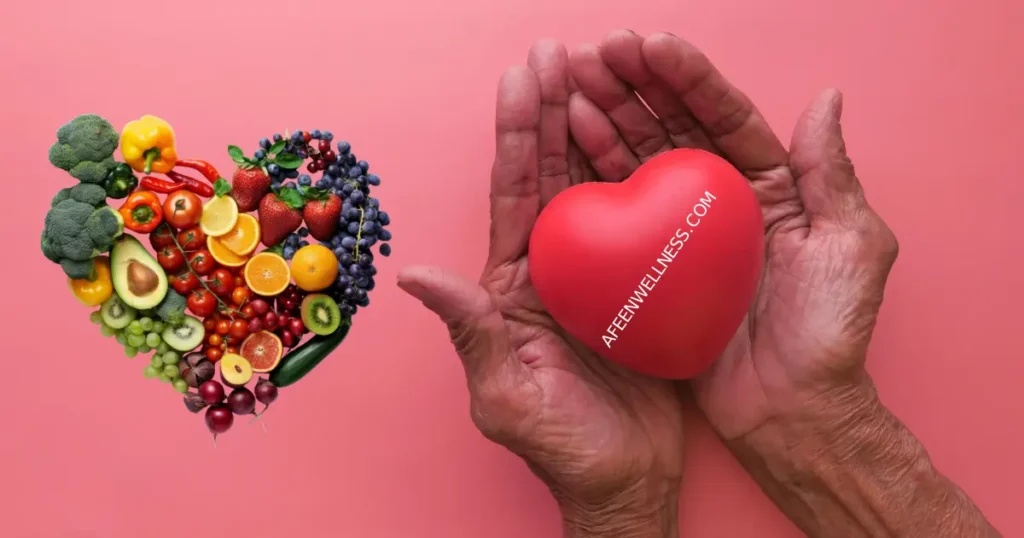
Key Takeaways – Improve Heart Health Naturally
- The overall pattern of your diet matters more than any single “superfood”. The Mediterranean diet has some of the strongest evidence for heart health.
- Aim for at least 150 minutes of moderate exercise a week, plus two strength sessions.
- Sleeping 7 to 9 hours a night helps your blood pressure, weight and inflammation levels.
- Quitting smoking, limiting alcohol and managing stress all protect your heart.
- Small, consistent habits beat dramatic short-term changes.
- Lifestyle changes work alongside medical care. They do not replace it.
Why Natural Heart Health Matters
Modern medicine gives us powerful tools against heart disease. Statins, blood pressure tablets, stents and surgery have saved millions of lives. But prevention is better than cure, and a heart healthy lifestyle can control a large part of your cardiovascular risk. Diet, physical activity, smoking, alcohol, sleep and stress management all work together to shape heart health over the years.
Your heart does not work alone. It is influenced by your blood vessels, metabolism, inflammation, hormones and even the bacteria in your gut. That is why natural ways to improve heart health are not about one magic trick. They are about creating an environment inside your body where the heart can thrive.
The ten lifestyle changes below are the ones with the strongest evidence. Improve Heart Health Naturally Today.
1. Eat for Your Arteries
Mediterranean Diet for Heart Health
Rather than focusing on single “superfoods”, research shows that your overall eating pattern has the strongest influence on your heart. The Mediterranean diet for heart health is one of the most studied patterns in the world. It is rich in vegetables, fruit, wholegrains, beans and lentils, nuts, olive oil and fish, with only small amounts of dairy and red meat. Many long-term studies link it to lower rates of heart attack, stroke and death from heart disease.
The DASH diet (Dietary Approaches to Stop Hypertension) is another well-studied option. It was designed to lower blood pressure by cutting sodium and increasing potassium-rich foods such as fruit, vegetables and low-fat dairy.
Heart Healthy Foods / Improve Heart Health Naturally to Eat Every Day
You do not need a complicated meal plan. These heart healthy foods to eat every day are a good starting point:
- Oats, barley and wholegrain bread: rich in soluble fibre
- Beans, lentils and chickpeas: fibre, protein and potassium
- Fruit and vegetables: aim for a variety of colours, and include leafy greens such as spinach
- Fatty fish such as salmon, mackerel and sardines: aim for two portions a week
- Nuts and seeds: a small handful a day (unsalted)
- Olive oil: use it in place of butter
- Natural yoghurt, kefir and other fermented foods: good for your gut
How to Lower Cholesterol Naturally with Diet
If you want to know how to lower cholesterol naturally with diet, start with fibre. Soluble fibre, found in oats, barley, beans, lentils, apples and citrus fruit, binds to cholesterol in the gut and helps remove it from the body. Aiming for 25 to 35 grams of fibre a day can lower LDL (“bad”) cholesterol over time. Most people eating a Western-style diet get far less, so increasing fibre is often one of the biggest improvements you can make.
It also helps to choose your fats wisely | Improve Heart Health Naturally :
- Limit trans fats. These appear in some fried foods, margarines and processed baked goods. They raise LDL cholesterol and lower HDL (“good”) cholesterol, which is bad news for your heart.
- Eat saturated fat in moderation. It is found in fatty meat, butter and full-fat dairy.
- Choose healthy fats. Olive oil, avocados, nuts and seeds are good choices.
- Get your omega-3s. Fatty fish are rich in omega-3 fatty acids, which fight inflammation and can lower triglycerides. If you do not eat fish, walnuts, flaxseed and chia seeds provide plant-based omega-3s, although the body does not absorb these as easily.
Cut Back on Sodium and Added Sugar
Too much sodium raises blood pressure, a major risk factor for heart disease. The World Health Organization recommends eating less than 5 grams of salt (about one teaspoon) a day. Most of the salt in our diets comes not from the salt shaker but from processed foods and restaurant meals. Reading labels and cooking at home can reduce your intake dramatically.
Added sugar, especially in sugary drinks, is linked to obesity, insulin resistance and higher triglycerides, all of which put extra stress on the heart. Swapping fizzy drinks for sparkling water or unsweetened tea is one of the most powerful single changes you can make.
Watch Your Portions
Even healthy foods can lead to weight gain if you eat too much of them. Mindful eating helps: slow down, notice your hunger and fullness, and avoid eating in front of screens. This supports a healthy weight, which in turn reduces strain on your heart.
2. Move Your Body Regularly
How Much Exercise Do You Need for Heart Health?
Physical activity is one of the strongest tools for protecting your heart. Regular aerobic exercise strengthens the heart muscle, improves blood flow, keeps blood pressure in check, raises HDL cholesterol, improves insulin sensitivity and helps with weight control.
So, how much exercise do you need for heart health? Health guidelines in the UK, Europe and the US recommend:
- At least 150 minutes of moderate-intensity aerobic activity a week, such as brisk walking, cycling or swimming, or
- 75 minutes of vigorous activity, such as running or high-intensity interval training, or
- A mix of both.
That works out at 30 minutes, five days a week, which is a realistic goal for most people.
Do Not Overlook Strength Training
Cardio often gets the spotlight, but resistance training matters too. Building muscle improves metabolic health, supports healthy blood sugar and helps create a better body composition, all of which benefit the heart indirectly. Aim for two or more strength sessions a week.
Move Throughout the Day
Beyond formal exercise, simply sitting less helps. Long periods of sitting are linked to higher heart risk, even in people who exercise regularly. Stand up, take walking breaks, use a standing desk or park further away to add movement to your day.
Find Something You Enjoy
The best exercise routine is the one you actually keep doing. Dancing, hiking, swimming, team sports, gardening and even brisk walks with a friend all count. When you are starting out, consistency matters more than intensity.
3. Prioritise Quality Sleep
Does Sleep Affect Heart Health?
Yes, and significantly. Sleep is often the most neglected pillar of heart health. During deep sleep, your blood pressure naturally dips, giving your cardiovascular system a period of rest and recovery. Chronic sleep deprivation disrupts this process. It has been linked to higher blood pressure, increased inflammation and higher rates of obesity and diabetes, all of which are risk factors for heart disease.
Sleep apnoea, a condition where breathing repeatedly stops and starts during sleep, is particularly concerning. It is associated with a much higher risk of high blood pressure, irregular heartbeats and heart failure. Loud snoring, gasping during sleep and heavy daytime tiredness are all worth discussing with your doctor.
Tips for Better Sleep
- Aim for 7 to 9 hours a night, consistently.
- Keep a regular sleep and wake time, even at weekends.
- Limit screens in the hour before bed, as bright light can interfere with melatonin production.
- Keep your bedroom cool, dark and quiet.
- Avoid caffeine in the afternoon and evening.
- Limit alcohol close to bedtime. It may feel relaxing at first, but it fragments your sleep.
4. Manage Stress Effectively
Chronic stress takes a toll on the cardiovascular system. When stress hormones such as cortisol and adrenaline stay high for long periods, they can raise blood pressure, increase heart rate and promote inflammation. Stress can also encourage unhealthy coping habits such as overeating, smoking or drinking.
Strategies for Stress Reduction
- Mindfulness and meditation: regular practice can lower blood pressure and reduce markers of stress. Even five to ten minutes a day can help over time.
- Deep breathing: diaphragmatic breathing activates the parasympathetic nervous system and counters the body’s stress response. Try box breathing: breathe in for four counts, hold for four, breathe out for four, hold for four. You can do it anywhere.
- Time in nature: spending time in green spaces is associated with lower cortisol levels and better mood.
- Social connection: strong relationships act as a buffer against stress.
- Hobbies and downtime: reading, art, music or gardening give your nervous system a break.
- Professional support: if stress feels overwhelming, therapy or counselling can offer tools that lifestyle changes alone may not.
5. Maintain a Healthy Weight
Carrying extra weight, especially around the abdomen, is associated with a higher risk of high blood pressure, high cholesterol and type 2 diabetes, all major contributors to heart disease. Visceral fat, the fat that surrounds your organs, is metabolically active and produces inflammatory compounds that can directly affect cardiovascular health.
The good news is that even modest weight loss, around 5 to 10 percent of your body weight, can improve blood pressure, cholesterol and blood sugar. Rather than pursuing rapid or extreme weight loss, sustainable changes to your diet and activity level tend to give better long-term results and are easier to maintain.
6. Avoid Tobacco and Limit Alcohol
Smoking
Smoking is one of the worst habits for your heart. It damages the lining of your blood vessels, lowers oxygen levels in your blood, raises blood pressure and makes blood clots more likely. The good news is that quitting benefits your heart quickly. Your heart rate and blood pressure begin to return to normal within hours, and after one year without smoking your risk of heart disease drops substantially compared with someone who keeps smoking.
Quitting is not easy, and many people try more than once before they succeed. Support from doctors or stop-smoking services, combined with nicotine replacement products such as patches or gum, can greatly improve your chances.
Alcohol and Heart Health
The link between alcohol and heart health is not as simple as once thought. Some older studies suggested that small amounts of alcohol might protect the heart. Newer research questions this, suggesting that any benefit was overestimated because of flaws in the earlier studies. What we do know is that heavy drinking raises blood pressure, adds extra weight, weakens the heart muscle over time and increases the risk of irregular heartbeats.
If you drink, keep to moderate levels. In the UK, the guideline is no more than 14 units a week, spread over several days. If you do not drink, there is no reason to start for the sake of your heart.
7. Support Healthy Blood Pressure and Cholesterol Naturally
How to Lower Blood Pressure Naturally Without Medication
Many people ask how to lower blood pressure naturally without medication. For mildly raised blood pressure, lifestyle changes can make a real difference. If you have been prescribed medication, never stop taking it without speaking to your doctor. Alongside the eating, exercise, sleep and stress habits above, these strategies can help:
- Reduce sodium and boost potassium. Potassium helps balance the effect of sodium on blood pressure. Bananas, potatoes, spinach and beans are all good sources.
- Lose excess weight. Even a few kilos can lower blood pressure.
- Limit caffeine if you are sensitive. Moderate caffeine is safe for most people, but some see a short rise in blood pressure after coffee or energy drinks.
- Try plant sterols. These natural substances are found in small amounts in vegetable oils, nuts and seeds. Foods fortified with 1.5 to 3 grams a day can reduce how much cholesterol your body absorbs.
- Stay well hydrated. Water helps maintain healthy blood volume and circulation.
- Know your numbers. Regular check-ups for blood pressure, cholesterol and blood sugar help you spot problems early.
8. Nurture Social Connection and Purpose
It may sound surprising, but emotional and social health affect your heart. People with strong relationships and a sense of purpose tend to have lower rates of heart disease. Chronic loneliness, on the other hand, has been linked to higher inflammation and a greater risk of heart problems. In some studies, the risk is comparable to traditional factors such as high blood pressure or smoking.
Building connections, getting involved in your community and finding meaning in life do more than lift your mood. They also support your health, especially your heart.
9. Look After Your Gut Health
Science is beginning to show that the gut microbiome plays a role in heart health. Certain gut bacteria produce chemicals that can contribute to plaque build-up in the arteries. At the same time, a high-fibre diet feeds beneficial bacteria and supports a healthy gut. Fermented foods such as yoghurt, kefir, sauerkraut and kimchi, along with plenty of fruit, vegetables and wholegrains, help create a healthy gut environment. Including these foods in your meals supports both digestive and heart health.
10. Build Sustainable Habits, Not Quick Fixes
Heart health improves over years, not through something drastic in a single week. Extreme diets, intense exercise plans and sudden lifestyle overhauls rarely last, and they can even cause harm. Focus on steady progress instead. These heart health tips make it easier:
- Start small. Add one portion of vegetables to your dinner, take a ten-minute walk after lunch or swap one drink for water.
- Stack habits. Link new behaviours to routines you already have. Stretch while the kettle boils or walk during phone calls.
- Aim for consistency, not perfection. Doing something regularly over time matters more than getting everything right every day.
- Be patient. Real improvements in blood pressure, cholesterol and fitness often take weeks or months to appear.
When to Seek Medical Advice
Lifestyle changes are powerful, but they do not replace medical care, especially if you already have a health condition or a family history of heart disease. Routine check-ups help track your blood pressure, cholesterol, blood sugar and other key indicators. Early detection lets you act before problems get worse.
If you have symptoms such as chest pain, difficulty breathing, an irregular heartbeat or extreme tiredness, do not wait. Seek medical attention straight away (call your local emergency number). Do not try to fix these symptoms with lifestyle changes alone.
Before starting a new exercise routine, particularly after a long period of inactivity or if you have a health condition, talk to your doctor first.

How to Keep Your Heart Healthy: Bringing It All Together
Knowing how to keep your heart healthy does not depend on one big change. It comes from many small, consistent decisions made every day: eating a fibre-rich, whole-food diet, staying active, sleeping well, managing stress, keeping a healthy weight, avoiding tobacco, drinking only in moderation (or not at all) and building meaningful connections.
You do not need to do everything at once. Pick one or two areas that feel manageable, build consistency there, then gradually add more. Over time, small efforts add up, and your heart, the engine of your body, will grow stronger.
Frequently Asked Questions
What is the best natural way to improve heart health?
There is no single best method. The biggest gains come from combining several habits: a Mediterranean-style diet, regular physical activity, quality sleep, stress management, not smoking and a healthy weight. If you have to start somewhere, add more fibre-rich plant foods and walk briskly for 30 minutes most days.
How can I lower blood pressure naturally?
Eat less salt and more potassium-rich foods, lose excess weight, exercise regularly, limit alcohol, manage stress and sleep well. Lifestyle changes can lower mildly raised blood pressure, but if you take blood pressure medication, keep taking it unless your doctor advises otherwise.
Which foods are best for the heart?
Oats, beans, lentils, fruit, vegetables, nuts, seeds, olive oil and fatty fish such as salmon and sardines are among the best. These foods are high in fibre, healthy fats, potassium and antioxidants, and they are the core of the Mediterranean diet.
How much exercise does the heart need each week?
Adults should aim for at least 150 minutes of moderate-intensity activity (such as brisk walking) or 75 minutes of vigorous activity each week, plus muscle-strengthening exercise on two or more days.
Does sleep really affect heart health?
Yes. Poor or short sleep is linked to higher blood pressure, inflammation, weight gain and diabetes. Aim for 7 to 9 hours a night, and speak to your doctor if you snore loudly or feel exhausted despite sleeping enough, as this can be a sign of sleep apnoea.
Can I lower my cholesterol naturally with diet?
For many people, yes. Eating more soluble fibre (oats, beans, lentils, fruit), choosing unsaturated fats such as olive oil and nuts, cutting back on trans and saturated fats, and staying active can all lower LDL cholesterol. Some people also need medication, so get your levels checked regularly.
How long does it take to improve heart health?
Some benefits, such as lower blood pressure after cutting salt or better energy from regular walking, can appear within weeks. Changes in cholesterol, weight and long-term risk usually take months to years, which is why consistency matters more than speed.
This article is for information only and does not replace personalised medical advice. If you have a heart condition or risk factors, speak to your doctor before making changes to your diet, activity level or lifestyle.
Sources and Further Reading
- World Health Organization (WHO): Cardiovascular diseases fact sheet
- NHS: Heart disease prevention and healthy living pages
- British Heart Foundation: Healthy eating, physical activity and cholesterol guidance
- European Society of Cardiology: Guidelines on cardiovascular disease prevention
- American Heart Association: Life’s Essential 8
- NICE (UK): Cardiovascular disease prevention guidance