
Life moves fast. Between work tasks, family duties and the constant sound of phone alerts it makes sense that so many of us want natural ways to slow down. One of the most lovely ways to do that is by making a cup of herbal tea.
Unlike green tea, herbal teas are caffeine-free drinks made from dried flowers, leaves, roots, seeds or bark. People have used teas for thousands of years. They use teas not just because they are warm and cozy but because herbal teas can help the body feel calm and healthy. Today science is starting to see what old healers have known for a time: certain herbs really can help the body and mind relax.
In this guide I will walk you through the herbal teas for relaxation and wellness. I will explain what makes each herbal tea special and give you tips on how to brew and enjoy teas to feel your best.
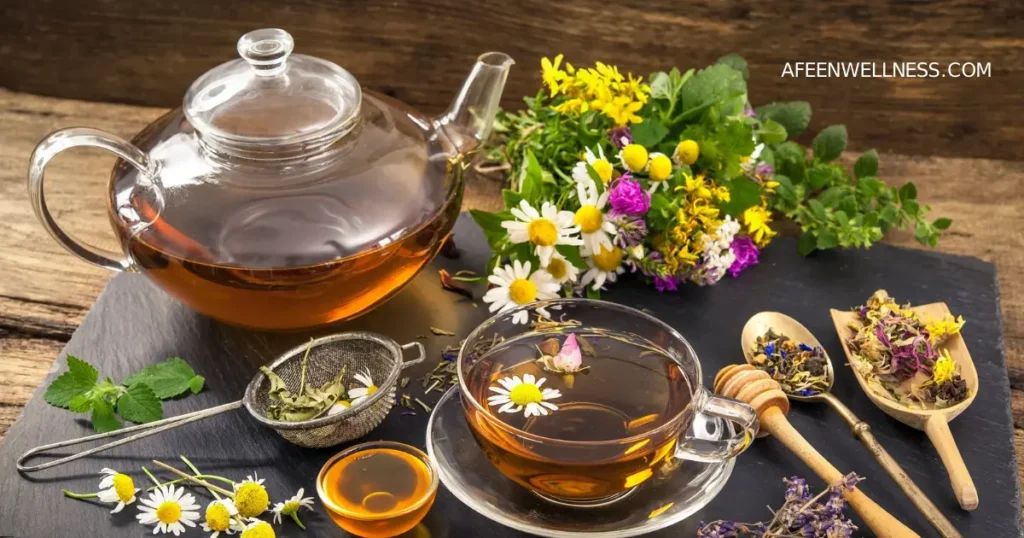
Why Herbal Tea Is a Relaxation Tool
Before we talk about specific teas it helps to know why making herbal tea works so well.
1. The act of making tea is calming. Taking five to ten minutes to boil water lets the leaves sit and sip slowly makes you pause. In a world where we always do things at once, that small moment of peace is worth a lot no matter what is in the cup.
2. Warmth helps the body feel steady. Warm drinks can have an effect on your body. Warm drinks can ease muscles and make you feel as cozy as a warm bath.
3. Many herbs have parts that calm you down. Certain plants have parts that work with your body to lower stress. These parts help you relax without making you feel sleepy or groggy like some sleep pills do.
4. It is a caffeine- way to skip your afternoon coffee. Swapping coffee for tea especially later in the day can help you sleep better. Swapping coffee for tea can also stop those shaky nervous feelings that too much caffeine causes.
Now that we know why, let’s look at the options.
1. Chamomile Tea:
The Classic Relaxation Staple
If there is one tea that most people think of for relaxation it is chamomile. Made from the dried flowers of the chamomile plant, chamomile tea tastes like apples. Chamomile tea has been used for a time to help people sleep and help with digestion.
Chamomile contains an antioxidant called apigenin. This part of chamomile helps the brain reduce anxiety and feel sleepy. This is why chamomile tea is a drink before bed all over the world.
Besides relaxation people use chamomile to help a stomach or ease cramps. Because chamomile is so gentle chamomile is a safe herbal tea to drink often. However if you have allergies to ragweed you should be careful with chamomile.
Best time to drink it: 30–60 minutes, before bed or any time you need to feel calm during the day.
2. Lavender Tea:
Aromatic Stress Relief
Lavender is not used for candles and pillow sprays. Lavender also makes a floral tea that people value for its stress‑relieving qualities. The scent of lavender by itself has been studied for how it calms the mood. Drinking lavender tea gives that benefit and adds a warm soothing ritual of sipping.
Lavender tea has a slightly sweet floral taste. Some people feel this taste is strong when it is alone. That is why lavender tea is often mixed with chamomile lemon balm or honey to soften the flavor.
Traditionally lavender has been used to ease headaches, support sleep and calm restlessness. Because lavender has a flavor it is best to start with a small amount and change the amount to taste.
The best time to drink lavender tea is in the evening. Use it as part of a routine or mix it into a bedtime tea blend.
3. Lemon Balm Tea:
Gentle Mood Support
Lemon balm is a member of the mint family. Has a light citrusy flavor that makes a refreshing but calming cup of tea. Lemon balm has a history of traditional use for easing nervous tension supporting digestion and lifting mood.
Some research indicates that lemon balm may help reduce feelings of stress and improve performance under pressure making it a popular choice not just for evening relaxation but also for taking the edge off a busy high‑stress day.
Lemon balm pairs with other calming herbs such as chamomile or valerian and its bright citrusy notes make it one of the more approachable herbal teas for people who do not like heavier floral flavors.
Best time to drink lemon balm: Midday to ease stress or in the evening as part of a calming blend.
4. Valerian Root Tea:
For Deeper Sleep Support
Valerian root has a somewhat pungent aroma and flavor and it is not for everyone. However Valerian has a well‑earned reputation as one of the most effective herbal sleep aids. Valerian has been used for centuries to address insomnia and restlessness. It is thought to work by increasing levels of a calming neurotransmitter in the brain.
Because of its potency and strong taste Valerian tea is often blended with sweeter herbs such as chamomile, lemon balm or peppermint. Valerian tea is generally recommended for use rather than as an everyday tea and it is a good idea to see how your body responds before making it a regular part of your routine especially if you take other medications.
Best time to drink Valerian root tea: an hour before bed ideally not as a daily habit but reserved for nights when sleep feels especially elusive.
5. Passionflower Tea:
Calm Without the Drowsiness
Passionflower is a climbing vine whose dried leaves and flowers are used to make a mild earthy tea. Passionflower has traditionally been used to ease anxiety, restlessness and racing thoughts without inducing heavy drowsiness the way some other sedative herbs might.
This makes passionflower tea a nice option for relaxation. For instance before a stressful meeting or during a particularly overwhelming afternoon. As well as for unwinding at night.
Some studies have compared passionflower’s calming effects to certain anti‑anxiety medications in terms of subjective relaxation although it works far more gently and gradually.
Best time to drink passionflower tea: Anytime you need to take the edge off energy, day or night.
6:. Peppermint Tea:
Refreshing and Digestive‑Friendly
Peppermint tea might not be the tea that comes to mind for relaxation but its cooling, invigorating flavor and stomach‑soothing properties make it an important part of a wellness‑focused tea rotation.
Peppermint has long been used to ease bloating, indigestion and stomach cramps all of which can contribute to tension and discomfort that interferes with feeling relaxed.
There is also something inherently calming about the ritual of sipping an aromatic tea after a meal. It signals to your body that it is time to slow down and digest.
Because peppermint can be mildly stimulating for some people Peppermint tea is often enjoyed earlier in the day or after meals than right before bed.
Best time to drink Peppermint tea: After meals or in the afternoon for a reset.
7: Rooibos Tea:
A Caffeine‑Free, Antioxidant‑Rich Option
Rooibos or ‘red bush’ tea comes from an African plant and has a naturally sweet slightly nutty flavor reminiscent of black tea but without any caffeine.
Rooibos is rich in antioxidants and minerals. It has traditionally been used to support relaxation, healthy digestion and even skin health.
Because rooibos has a satisfying flavor Rooibos tea is a great choice for people transitioning away from caffeinated tea or coffee who still want something hearty to sip throughout the day.
Best time to drink Rooibos tea: Any time of day as a caffeine‑free alternative to your usual tea or coffee.
8: Ashwagandha Tea: Adaptogenic Support for Stress
Ashwagandha is a herb meaning it is believed to help the body adapt to and manage stress more effectively over time. Ashwagandha root has a slightly bitter flavor and it is often blended with warming spices such as cinnamon and cardamom to make it more palatable as a tea.
Modern research has explored Ashwagandha’s potential to help stress and support healthy cortisol levels, which is part of why it has become such a popular addition to wellness routines. Unlike herbs Ashwagandha is not necessarily meant to make you sleepy at the moment. It is more about supporting long‑term resilience to stress.
Best time to drink Ashwagandha tea: as part of a daily routine since adaptogens tend to work best with regular use, over time.
9. Holy Basil (Tulsi) Tea:
Sacred Herb for Balance
Known as “the queen of herbs” in Ayurvedic tradition, holy basil or tulsi is another adaptogenic herb prized for its ability to help the body cope with stress. Tulsi tea has a warm, slightly peppery and clove-like flavor that’s both comforting and energizing.
Tulsi is often praised for supporting mental clarity and emotional balance, making it a favorite for people who want a calming tea that doesn’t leave them feeling sluggish.
Best time to drink it: Morning or midday, when you want grounded, clear-headed calm rather than sleepiness.
10. Rose Tea:
Gentle Comfort for the Heart and Mind
Made from dried rose petals or rose buds, rose tea has a delicate floral flavor and a long history of use in traditional medicine systems for easing emotional tension and supporting a sense of comfort and well-being.
Rose tea is often associated with self-care rituals, and beyond its calming reputation, it’s rich in vitamin C and antioxidants. Its light, slightly sweet taste makes it an easy tea to enjoy on its own or blended with chamomile or hibiscus.
Best time to drink it: Whenever you want a moment of gentle, comforting self-care.
How to Brew the Perfect Cup of Herbal Tea
Getting the most out of your herbal tea isn’t complicated, but a few small details can make a big difference in flavor and potency:
- Use fresh, filtered water. Water quality affects taste more than people expect.
- Pay attention to water temperature. Most herbal teas do well with water just off the boil (around 200–212°F), but delicate flowers like chamomile and rose can benefit from slightly cooler water to preserve their subtle flavors.
- Steep for long enough. Herbal teas generally need longer steeping times than green or black tea — typically 5 to 10 minutes — to fully extract their beneficial compounds and flavor.
- Cover your cup while steeping. This helps trap volatile aromatic oils that might otherwise escape as steam, preserving both flavor and potential benefits.
- Use loose leaf when possible. Loose-leaf herbal teas often have more surface area and fresher flavor than pre-packaged tea bags, though good quality bagged teas can still work well.
Building Your Own Relaxation Tea Blend |herbal teas for relaxation
One of the best parts of herbal tea is that you can mix and match to create a custom blend suited to your taste and needs. A few combinations to try:
- Classic bedtime blend: Chamomile + lavender + a touch of honey
- Stress-relief blend: Lemon balm + passionflower + a slice of fresh ginger
- Digestive comfort blend: Peppermint + rooibos
- Daily resilience blend: Ashwagandha + tulsi + cinnamon
- Self-care blend: Rose + chamomile + a splash of orange peel
Experimenting with your own combinations is part of the fun — and it lets you fine-tune both the flavor and the effect to match your personal wellness goals.
A Few Safety Considerations
Herbal teas are generally well-tolerated, but a few precautions are worth keeping in mind:
- Pregnancy and breastfeeding:
Some herbs, including certain amounts of chamomile, lemon balm, and valerian, may not be recommended during pregnancy or breastfeeding. Always check with a healthcare provider first. - Medication interactions:
Herbs like valerian, passionflower, and ashwagandha can interact with certain medications, including sedatives, blood pressure medication, and thyroid medication. If you take prescription medication, it’s worth discussing herbal tea habits with your doctor or pharmacist. - Allergies:
Chamomile and related plants can trigger allergic reactions in people sensitive to ragweed, daisies, or marigolds. - Moderation matters:
Even natural herbs are most beneficial when enjoyed in reasonable amounts rather than excessive quantities. A cup or two a day is generally a safe starting point for most of the teas mentioned here.
Making Herbal Tea Part of Your Wellness Routine
The real magic of tea is not always in a single miracle ingredient. It is more in the ritual itself. Taking a few minutes to prepare and slowly sip a warm cup of herbal tea gives a natural pause in your day. This small repeatable act of self-care adds up over time.
Think about building rituals around herbal tea drinking. A chamomile cup an hour before bed signals the body that the day is winding down. A midday cup of tulsi or lemon balm provides a reset between tasks. A rose tea ritual on a Sunday morning offers self-care.
Over weeks and months these small moments of calm can lower stress levels. They can improve sleep. They add to a greater sense of balance.
The Science Behind Herbal Tea and Relaxation
It is worth taking a moment to look at why this centuries-old ritual holds up well under modern scrutiny. Researchers studying stress and the nervous system increasingly focus on the connection between plant compounds and the body’s relaxation response.
Many calming herbs contain flavonoids and terpenes. These are naturally occurring plant chemicals that interact with receptors involved in mood regulation. Apigenin, found in chamomile, is one of the studied examples. Researchers have examined how it may gently influence the brain pathways targeted by some anti-anxiety medications though it is much milder. Linalool, a compound found in lavender, has also drawn interest for its calming effects when inhaled or consumed.
Beyond compounds research also grows on the broader concept of mindful consumption. This idea states that slowing down to prepare and savor a beverage rather than gulping it down between tasks gives measurable benefits for stress levels. In this sense herbal tea offers a kind of two-for-one wellness boost. The ritual itself calms the system. The herbs provide a complementary layer of support.
It is important to note that herbal tea is not a substitute for care when it comes to chronic anxiety, insomnia or other health concerns. Think of tea instead as one gentle tool among many. Good sleep hygiene, movement and stress management also support a more balanced life.
Herbal Tea vs. Other Relaxation Beverages
With many “calming” products on the market—from adaptogenic sodas to CBD-infused drinks—it is fair to ask how herbal tea stacks up.
Compared to caffeinated tea or coffee, herbal tea’s biggest advantage is the absence of caffeine. Caffeine can otherwise interfere with the body’s ability to relax later in the day. Swapping an afternoon coffee for a cup of rooibos or tulsi herbal tea can make a difference in sleep quality within just a few days.
Compared to relaxation drinks many bottled wellness beverages rely heavily on added sugars to mask the taste of functional ingredients. A simple cup of brewed tea sweetened lightly if at all offers a cleaner way to enjoy similar benefits without the added sugar load.
Compared to alcohol as a “wind-down” ritual it is common for people to reach for a glass of wine to signal the end of the workday. Herbal tea can serve a ritual function marking a transition from “on” to “off” without the downsides of alcohol including disrupted sleep architecture later in the night.
None of this is to say other beverages do not have their place.. For a low-cost low-risk widely accessible relaxation tool herbal tea is hard to beat.
Best Herbal Teas for Relaxation, Stress and Sleep
If you’re looking for the 10 best herbal teas for relaxation, stress and sleep in the Philippines, the good news is that most of them are easy to find. Chamomile, peppermint and lavender are sold in supermarkets, Healthy Options and online shops like Lazada and Shopee. Tanglad (lemongrass) tea is also easy to grow at home, and many people find it comforting at the end of a long day.
Herbs That Make You Sleep Instantly: Is It Real?
Not really. No herb knocks you out in minutes. What herbs do is help your body slow down. A warm cup of chamomile or valerian tea about an hour before bed works best, especially when you dim the lights and put your phone away.
Best Herbs for Sleep and Anxiety
- Chamomile: gentle, good for nightly use
- Lemon balm: calming, with a light citrus taste
- Passionflower: helps with racing thoughts
- Valerian root: stronger, best for nights when you can’t sleep
Read More: 10 Herbs for Sleep and Sleep-Related Struggles
Best Tea for Stress and Anxiety
For daytime stress, try lemon balm, passionflower or tulsi. They calm you without making you sleepy. Ashwagandha tea is a popular pick too, but it works slowly, so give it a few weeks.
Best Herbal Medicine for Insomnia?
Valerian is the one most people try first, and chamomile is the gentlest. Results vary from person to person, and the research is mixed. If you’ve had trouble sleeping for more than a few weeks, see a doctor. Herbal medicine isn’t a replacement for proper care.
Quick safety note: Check with your doctor first if you’re pregnant, breastfeeding or taking medication, since some herbs, like valerian and ashwagandha, can interact with certain drugs.
Frequently Asked Questions
How herbal tea should I drink per day?
Most people can comfortably enjoy two to four cups of tea daily. Stronger herbs like valerian are best kept to use rather than an everyday habit. Milder options like chamomile, rooibos and rose are generally fine for consumption.
Can I drink tea every night before bed?
Yes, for people a nightly cup of a mild herbal tea like chamomile or lavender is a safe and pleasant addition to a bedtime routine. Just be mindful of any sensitivities or interactions with medications.
Do herbal teas actually. Is it just a placebo effect?
Both the ritual and the plant compounds likely play a role. Even if some of the benefit comes from the calming act of slowing down to sip a drink, that is still a genuine useful effect—not something to dismiss. Many of the herbs discussed here also have supporting research behind their compounds.
What is herbal tea for anxiety?
Passionflower, lemon balm and chamomile are among the commonly recommended herbal teas for easing everyday anxious feelings. For anxiety combine these teas with professional support rather than rely on tea alone.
Can children drink tea?
Some mild herbal teas like chamomile are traditionally given to children in amounts. It is best to check with a pediatrician before introducing any tea to a child’s routine especially for stronger herbs like valerian.
Is it safe to combine herbal teas in one blend?
Generally yes—many of the pairings mentioned in this guide like chamomile and lavender are commonly combined. As with any combination, start with a small amount to see how your body responds.
Final Thoughts
From the apple-like sweetness of chamomile to the earthy potency of valerian root herbal tea offers a natural accessible way to support relaxation and overall wellness. Whether you are looking to unwind before bed to ease stress or simply build a more mindful pause into your day there is an herbal tea or blend that is suited to your needs.
As with any wellness practice it is worth experimenting to find what works best for your body and your taste preferences. Start with one or two teas, from this list. Pay attention to how you feel. Do not be afraid to mix and match until you find your cup of calm.