A lot of individuals believe that additional weight is always due to the fact that they are eating too much. Nevertheless, it does not necessarily happen that way. Many people are gaining weight even without having to consume more food thus becoming baffled and frustrated. It seems to you that you had not changed your diet, and the scale continues climbing higher. This can be demoralizing particularly when you are trying to lead a healthy life.
The fact is that when people gain weight without eating more frequently, it is caused by some factors that are far more comprehensible than calorie consumption. Sudden changes in body weight could be predisposed by hormones, sleeping habits, stress, medications, metabolism, and even posture. These are the unseen causes that can assist you in making the right action to deal with your health more efficiently.
Hormonal Imbalances
The hormones are important in controlling the metabolism, appetite, fat storage and energy. This is because the body may start to store fats despite the same intake of food once the hormonal balance is broken.
Thyroid Disorders
Metabolic rate is regulated by the thyroid gland. Hypothyroidism (underactive thyroid) decelerates your metabolism, making your body use less energy. Consequently, you can gain weight without having to eat more.
Common symptoms:
- Fatigue
- Cold intolerance
- Hair thinning
- Dry skin
Insulin Resistance
Insulin assists in the regulation of the sugar levels. This occurs when the body develops resistance to insulin whereby the body stores more fats, which are around the abdomen without an increment in food intake.
Cortisol (Stress Hormone)
Constant stress increases the amount of cortisol in the body which lets the body know to store fat as an emergency store of energy hence causing weight gain without increasing intake of food.
Poor Sleep Quality
Poor sleep interferes with the hormones that regulate hunger and metabolism such as leptin and ghrelin. The inability to sleep well due to old age causes the body to store energy and store fat. In case you are a chronic short-sleeper and you get six or less hours of sleep per night, it may influence hormones that control appetite. Sleep that that is less than 6 hours is linked to an increase in hormones that signal that we are hungry, a decrease in hormones that signal that we are full, and an increase in cortisol, Dr. Apovian says.
Although you might be taking the same quantity of meals, lack of sleep may result in:
- Slower metabolism
- Increased fat storage
- Reduced energy expenditure
With time, this leads to evident weight gain without increasing what one eats.
Sedentary Lifestyle
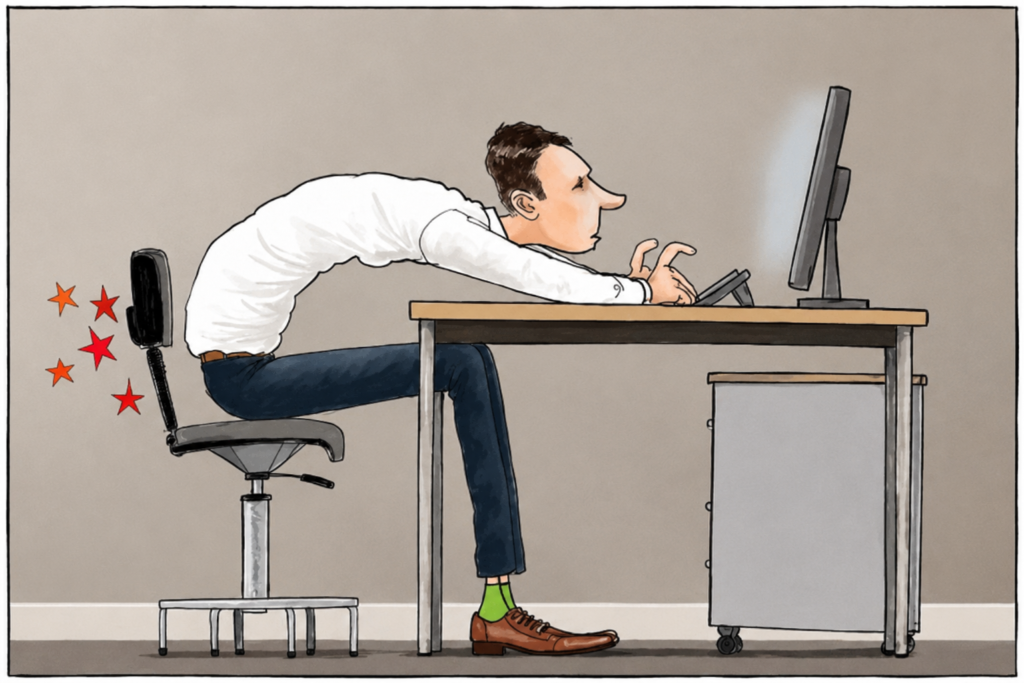
You might not be consuming more, but when you are not moving the way you used to move, it burns fewer calories. Long sedentary sitting at a workstation and overtime screen time instead of moving around consume less energy on a daily basis. Most individuals are surprised to find that despite the fact that their daily food intake has not risen, they are slowly gaining weight. A sedentary lifestyle is one of the least considered causes of this. You might be consuming the same food as earlier, but when you have reduced your daily movement, then your body starts retaining more fat than burning it. This results in increased weight without eating a lot.
Sedentary behavior in the modern world has been popularized by long hours of sitting, spending time on the screen, desk work and poor physical exercise. The unfortunate thing is that human body is created to move. A decrease in movement decreases metabolism, alters hormones, and reduces the amount of calories burned, all of which make people gain weight.
This unequal expenditure of calories and intake of calories may lead to gain of weight without increasing the intake of food.
Aging and Slower Metabolism
Metabolism naturally decreases with age. The loss in muscle mass and the increase in fat mass occurs. Because the muscles consume more calories than the fat, the body starts consuming fewer calories when resting.
Such a natural change may cause weight gain without an increase in consumption, particularly after 30 years.The physiological changes that come along with age may influence weight. Most prominent of them is the loss of muscle. After middle age, we lose approximately 1 percent of our muscle mass each year, and this influences our strength and metabolism (how readily we lose calories). Small muscles are less calorie consuming. Without changing your diet, you will end up taking excess calories. The surplus accumulates as fat, according to Dr. Caroline Apovian, who is an obesity medicine specialist and co-director of the Center of Wellness and weight Management of Harvard based Brigham and Women Hospital.
Medications, which cause gain in weight.
Some drugs may change the metabolism, eating habits, and retention of fluid. When a person takes some medications regularly, he or she gains weight. There are those drugs like prednisone which cause you to retain fluid and gain weight. And most drugs influence chemicals in the brain that govern appetite and this may cause you to feel hungrier than normal and therefore you may eat more and put on weight. Examples include anti-depressants e.g. paroxetine (Paxil) or phenelzine (Nardil) antihistamines which also include the active ingredient in Benadryl diphenhydramine antipsychotics (e.g. clozapine (Clozaril) or olanzapine (Zyprexa) beta blockers like atenolol (Tenormin) or metoprolol (Lopressor) drug. Sleep aids which include the drug diphenhydramine including Sominex, Unisom SleepGels, or ZzzQuil. These drugs can make one gain weight without food intake as a result of hormonal effects or water retention.
Stress and emotional factors.
Most individuals tend to think that weight gain occurs when one eats excessively. Nevertheless, weight gain may be due to stress and emotional causes, but not due to excessive eating. You might be consuming the same amount of food as you used to consume or even less but still observe the gain of body weight. This is due to the fact that stress influences hormones, metabolism, digestion, sleep and daily activity levels. This is a relationship that you should understand when attempting to manage or explain unreasonable weight gain.
The effects of stress on the body chemistry.
When you get stressed, your body secretes a hormone named cortisol commonly referred to as the ‘stress hormone’. To equip your body to handle a fight-or-flight situation, cortisol:
- Slowing down digestion
- Building up the fat storage (particularly in the belly).
- Altering blood sugar levels
Gastrointestinal Problems and Enteral Well-being.
Poor gut microbiome influences the metabolism of food and fats by the body. Such conditions as IBS, constipation or bloating can retard digestion and add to weight gain without increased intake. Most individuals often think that weight gain occurs when an individual consumes excessive food yet the health of your digestive system is also a strong factor in determining how your body takes in, takes in, retains and expends calories. When you have a gut that is not working well, your body can be more likely to store more fat, to keep water and it slows down metabolism; even though you are consuming normal or less food. In this way, gut problems and digestive ailments have a direct cause of increased weight without necessarily eating a lot of food.
Poor Bacteria Proliferation in the gut (Gut Dysbiosis)
There are trillions of bacteria in your intestines they aid in food digestion, metabolism and fat storage. In case of a disproportion between good and bad bacteria, the state of gut dysbiosis arises.
This imbalance can:
- Enhance food calorie intake.
- Promote fat storage
- Trigger inflammation
- Slow down metabolism
Nutritional Deficiencies
The majority of them presume that deficiencies just lead to loss of weight, weakness, or fatigue. As a matter of fact, some deficiencies in vitamins and minerals may slow down metabolism, disrupt hormones, increase fat retention, and decrease energy levels, causing weight gain to occur gradually despite a normal or low level of food consumption.
Here’s how it happens.
The Role of Nutritional Deficiencies in Gaining Weight without Overeating. The body cannot be able to carry out the metabolic processes effectively when it is not supplied with the necessary nutrients. This leads to:
- Reduced burning of calories (slow metabolism).
- Hormonal imbalance
- Having more cravings and fats.
- Fatigue and lack of physical exercise.
- Under-digestion and inability to use the nutrients.
This might consequently lead to you putting on weight without taking up more food.
Polycystic Ovary Syndrome (PCOS).
Polycystic Ovary Syndrome (PCOS) is one of the causes of weight gain, which is not usually associated with overeating in women. PCOS is a popular hormonal disease which influences the work of ovaries and has a powerful influence on the metabolism, insulin level, and fat storage. Most females with PCOS report developing slow weight gain despite no significant change in eating habits.
Inflammation
Chronic low-grade inflammation in relation to PCOS can also contribute to the interference with metabolism and weight regulation. Indications of a Possible PCOS-Related Gain of weight. Irregular or missed periods. Acne and oily skin. Excess facial or body hair Problem of being unable to lose weight even with a diet. Gaining of weight mostly around the belly. Hair thinning on the scalp. Weight gain in PCOS in Managing. Despite the fact that PCOS complicates the weight management, it can be resolved by means of lifestyle alterations: Select food with low-glycemic index foods so as to control insulin. Take part in frequent strength exercising and walking. Eat more protein and fiber-rich food. Deal with stress and sleeping problems. Consult a doctor to be diagnosed and treated accordingly.
Hormonal Changes and Menopause.
Menopause causes the estrogen levels to reduce causing redistribution of fats and decreased metabolism. This stage is characterised by weight gain without an increased amount of eating among many women.
Cloaked Calories and Portion Falsehood.
There are times when individuals think that they are consuming the same quantity of foodstuff, yet little variations in the size of food portions, cooking oils, snacks or drinks contribute hidden calories.
Remedies to Gain weight without Overeating.
The possible treatments of the unintentional weight gain are based on the cause. As such, when you are gaining weight without any apparent reason, then you have to meet with a medical practitioner to discover the underlying cause. Some of the most common strategies of coping with unintentional weight gain include:
Medical Evaluation:
Experiential analysis to detect underlying health-related problems or side effects of medication. Diagnostic testing and imaging (blood tests, etc.) to check the general health condition. Then diagnosing the possible hormonal imbalances or metabolic disorders.
Lifestyle Modifications:
Taking a healthy lifestyle in order to deal with weight increase. Training more, exercising and physical activity. Sleeping better and also having enough rest. Dealing with stress through relaxation and mindfulness.
Dietary Changes:
Seek the advice of a registered dietitian in order to develop a 1-on-1 nutrition plan. Striking a balance between the nutrients and the deficiencies. Teaching the portion control and mindful eating.
Medication Adjustment:
On examination of drugs to determine those that add to the weight gain. Incorporating dose change or drug replacement.
Treatment Underlying Medical Conditions:
Concentrating on the handling and treatment of certain medical complications that cause weight gain. Treatment of such issues as hypothyroidism, PCOS, or hormonal imbalances. Treatment of such issues as hypothyroidism, PCOS, or hormonal imbalances.
Behavioural Therapy:
Consulting counselling or behavioural therapy in response to emotional eating or overeating as a response to stress. Learning to cope healthily and modifying eating habits. Learning to cope healthily and modifying eating habits.
Support Groups:
Attending support groups or community programmes that are aimed at weight management. Moreover, being able to share experiences and get support of other people who experience the same.
Physiological: Exercise and Physical Activity:
Adding physical activities to help lose calories and keep the muscles. Getting into sports that involve body fitness and good health.
Monitoring Progress:
Frequent visits to medical workers to monitor improvement. Then adjusting treatment plans accordingly depending on outcomes. Offering continuous training and counselling during the weight loss process. Therefore, it is necessary to keep in mind that the case of a person is individual, and the treatment should be adjusted to the needs of a person. A healthcare professional should always be consulted to ascertain the most appropriate action to take in dealing with unintentional weight gain in order to achieve good results in a safe manner.
The Ultimate Diet to Gain Weight without Overeating.
To combat the unexpected weight gain, it is critical to pay attention to a diet plan that will help to gain weight in a healthy way and at the same time, be attentive to the content of what and how much one eats. The following is the most popular diet that will help in gaining weight without eating too much:
Consume high-frequency meals and snacks.
The target should be three major meals and 2-3 snacks per day to raise the amount of calories.
Protein-Rich Foods
Add one meal and a snack of a good source of vegetable protein-rich food to help in building and repairing muscles. Examples: Chicken, turkey, lean beef, fish, eggs, tofu, Greek yoghurt and legumes.
Healthy Fats to Gain Weight without Overeating.
Add healthy fats to your diet as a source of extra calories and required nutrients. The sources are avocado, nuts, seeds, olive oil, coconut oil and fatty fish (salmon).
Complex Carbohydrates
Select complex carbohydrates that are energy-giving and essential calorie-dense snacks.
Nut Butter
You can use nut butter (e.g., peanut butter or almond butter) to add to your snacks or meals to increase the number of calories and healthy fats.
Smoothies and Shakes
Prepare smoothies or shakes containing a lot of calories using milk, protein powder, fruits, nut butter, and oats.
Hydration
Keep your body hydrated by taking a lot of water. Do not take too much water prior to meals, because it will cause loss of appetite. Strength Training. The strength training activities should be done regularly to develop muscle mass, and this helps in healthy weight gain.
Listen To Your Body
Then be careful of what your body tells you it needs or does not need. There is no need to eat when you are not hungry.
Avoid Empty Calories
Reduce sugar drinks, fast food and processed snacks which contain empty calories and lack the necessary nutrition. It is worth remembering that the most important issue of gaining weight without overeating is the emphasis on nutrient-rich foods, moderate amounts, and regular eating habits. It is therefore necessary that you require the services of a registered dietitian or a healthcare professional to adjust the diet plan to your needs and make the process of weight gain balanced and sustainable.
Conclusion
Gaining weight without increasing the food intake may be perplexing, yet it is usually associated with other aspects other than diet. Much depends on hormonal disorders, sleep problems, stress, drugs, ageing, and ways of life. These are the unseen causes of the problem, and knowing about them and taking proactive measures, you should be able to put your health back on track and avoid the continued weight gain. Keep in mind weight management does not just consist of eating less but rather just knowing how your body functions.