
Fitness for People Who Hate the Gym: 12 Fun Ways to Stay Fit
By the Afeen Wellness Team · Last updated: November 2026
Not everyone loves the gym. For many people, the crowds, loud music, waiting for equipment and doing the same workout again and again feel tiring, not inspiring. If you hate going to the gym but still want to be healthy, you are far from alone. The good news is that fitness for people who hate the gym can be more enjoyable, more flexible and just as effective.
Fitness is not about treadmills and weight machines. It is about moving your body, building strength and stamina and keeping yourself well in ways that feel natural to you. This guide shows you how to stay active and fit with no gym membership at all. You will find unique fun exercises to do at home, a list of exercise activities to try, plus fitness hobbies for adults and fun exercise games for adults that do not feel like a workout.
Key Takeaways
- You do not need a gym to get fit. Walking, dancing, home workouts and outdoor hobbies all count.
- Adults should aim for at least 150 minutes of moderate activity a week plus strength exercises on two days. Short sessions add up.
- The best exercise is the one you enjoy enough to keep doing.
- Fun beats willpower. Games, music, friends and hobbies make fitness easier to stick with.
- You do not need to sweat buckets for a workout to count.
- If you have a health condition, talk to your doctor before starting something new.

Why Some People Hate the Gym
Before looking at the alternatives, it helps to know why gyms put so many people off:
- Feeling self-conscious or judged
- Boring, repetitive routines
- Crowded, noisy places
- Expensive memberships
- Travel time to and from the gym
- Having no interest in intense workouts
If any of these sound familiar, there is nothing to worry about. People who dislike the gym have plenty of effective ways to get fit without ever setting foot in one.
1. Make Everyday Movement Your Workout
You do not need a scheduled workout to be active. Turning daily routines into movement can add up to a lot. Take the stairs, walk to the local shops, clean the house energetically, garden or play with your children. These activities keep your muscles working, your blood flowing and your body burning calories, without ever feeling like exercise.
Being more deliberate about how you move through the day creates a habit that is easy to keep, because it fits into your normal routine.
2. Walking: The Most Underrated Workout
Walking is one of the best forms of fitness for people who hate the gym. It is low impact, needs no skills or equipment and works your whole body. Regular brisk walking strengthens your heart, supports healthy circulation and weight and builds your leg and core muscles. It also looks after your joints and helps lower your risk of long-term conditions such as type 2 diabetes, high blood pressure and heart disease. Beyond the physical benefits, walking reduces stress, lifts your mood and helps you think more clearly.
Why walking works:
- Needs no equipment
- Can be done anywhere
- Low impact on joints
- Reduces stress and anxiety
- Improves heart health
Goal: 30 minutes of brisk walking most days, building up to 45 if you enjoy it. Walk in parks, around your neighbourhood, through markets or even around your home while listening to music or a podcast.
3. Unique Fun Exercises to Do at Home
Home workouts are cheap, convenient and effective, and you do not need a gym. Your body weight is enough to build strength, flexibility and stamina. Classic moves such as squats, lunges, press-ups, planks and jumping jacks work several muscles at once and raise your heart rate.
Fun Exercises to Do at Home for Adults
If the classics bore you, try these unique fun exercises to do at home. They are playful, need no equipment and still work your whole body:
- Shadow boxing. Throw punches and dodges at an imaginary opponent for 3 minutes. It is a great cardio workout and a stress buster.
- Animal walks. Try bear crawls, crab walks and frog jumps across the living room. They build strength and coordination, and they make you laugh.
- Stair challenges. Walk or jog up and down your stairs for 5 minutes, taking care on the way down.
- Wall sits during ad breaks. Slide down a wall until your knees are bent at about 90 degrees and hold for 30 seconds.
- Chair workouts. Do sit-to-stands, step-ups and seated leg lifts using a sturdy chair.
- Balance games. Stand on one leg while brushing your teeth, then try it with your eyes closed (near a wall for safety).
- Towel or sock slides. On a smooth floor, slide a foot out into a lunge, or slide your hands out in a plank.
- Living room dance party. Put on three of your favourite songs and do not stop moving until they are over.
Classic home moves for beginners:
- Squats
- Lunges
- Press-ups (wall or knee press-ups if you are a beginner)
- Planks
- Jumping jacks
Do the moves with good form, and build up gradually. Consistency matters more than intensity.
4. Dance Your Way to Fitness
Dancing is a lively, enjoyable and very effective way to get fit without feeling like you are exercising. It works multiple muscle groups and improves heart health, flexibility, balance and coordination. Whether you try Zumba, hip-hop or salsa, or simply move to your favourite songs at home, you burn calories, release stress and boost your mood. Dance also improves stamina and posture and gives you a creative outlet. Because it feels like fun, it is much easier to stick with than a routine that feels boring.
5. Fitness Hobbies Without the Gym
If the word “workout” puts you off, think in terms of hobbies instead. Outdoor and active hobbies get you moving without the pressure of a training plan. You may find you exercise for longer than you meant to, because you are having fun.
Fitness Hobbies List for Adults
Here is a fitness hobbies list with plenty of fitness hobbies for adults and fitness hobbies without a gym:
- Hiking or nature walks
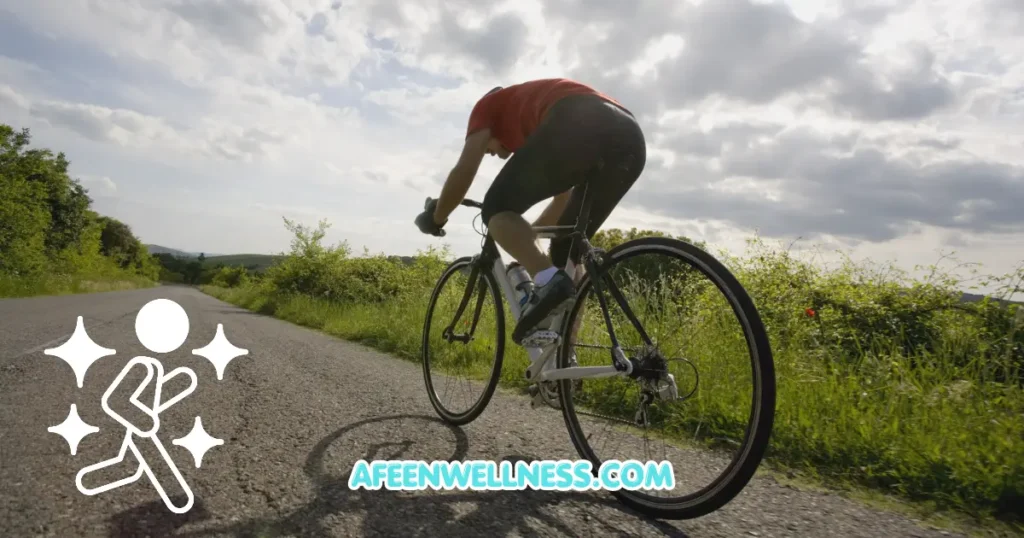
- Cycling, whether on trails, in the park or to work
- Swimming at a local pool or open water
- Gardening, which is surprisingly active
- Yoga or Pilates, at home or in a class
- Dancing, from salsa to Zumba
- Martial arts, such as karate, judo or boxing classes
- Racket sports, such as badminton, tennis or padel
- Team sports, such as football, cricket, netball or basketball
- Paddleboarding or kayaking
- Skating, either roller or ice
- Rock climbing or bouldering
- Skipping rope in your garden
- Geocaching or orienteering, which are treasure hunts on foot
- Walking groups or park runs
Pick two or three that appeal to you and try them for a month. The aim is to find something you look forward to.
6. Fun Exercise Games for Adults
Games make exercise feel like play, and play is a great motivator. Here are some fun exercise games for adults to try alone, with a partner or with friends:
- Active video games. Dance, boxing and sports games on a console or VR headset can raise your heart rate.
- Balloon volleyball. Keep a balloon in the air without letting it touch the ground, and add squats between points.
- Backyard games. Frisbee, tag, rounders, badminton and French cricket all keep you moving.
- Scavenger hunts. Create a walking trail with clues around your neighbourhood or a park.
- Step-count challenges. Compete with friends or family for the most steps in a week.
- Fitness dice. Roll a die and do the matching exercise: 1 = squats, 2 = lunges, 3 = press-ups, 4 = planks, 5 = jumping jacks, 6 = your choice.
- Charades or “Simon says”. Make all the actions exercises.
List of Exercise Activities by Type
Use this list of exercise activities to mix up your week. Try to include something from each group:
| Type | What it does | Examples |
| Cardio | Strengthens your heart and lungs | Brisk walking, cycling, dancing, swimming, skipping, hiking |
| Strength | Builds muscle and protects bones | Squats, lunges, press-ups, planks, resistance bands, gardening |
| Flexibility | Keeps your joints loose | Stretching, yoga, Pilates |
| Balance | Reduces the risk of falls | Single-leg stands, tai chi, yoga |
| Everyday movement | Adds activity all day | Stairs, housework, walking calls, playing with children or pets |
7. Try Yoga and Stretching
Yoga and stretching are gentle but effective ways to boost flexibility and ease both body and mind. Regular stretching keeps your muscles supple and eases aches, while yoga combines breathing and controlled poses to relax your mind and build strength. Simple daily stretches or beginner yoga can help ease stiffness, improve balance and boost your energy. Over time they can improve your posture and help you feel more relaxed and mobile.
Yoga is ideal if you dislike vigorous exercise. Benefits include:
- Improved flexibility
- Less back and neck pain
- Better posture
- Stress relief
- Gentle strength building
A 20-minute session each day is a good goal, but even 5 to 10 minutes helps.
8. Turn Screen Time Into Active Time
You do not have to give up your favourite shows or devices to stay active. Instead of sitting still while you watch videos, scroll through social media or join an online meeting, add some movement. Fitness apps, step counters and online workout videos can help, and so can simple habits such as standing during phone calls or walking around the room while you listen to a podcast.
If you spend most of your time watching TV or using your phone, try these ideas:
- March on the spot during adverts
- Do squats while you watch a show
- Stretch during scrolling breaks
- Skip with a rope for 5 minutes
Small movements add up and help offset the effects of sitting.
9. Use Short 10-Minute Workouts
Short workouts are powerful and practical, especially if you have a busy schedule or find it hard to get motivated for a long session. Ten minutes of squats, press-ups, lunges, planks or brisk walking can raise your heart rate and work several muscle groups. Research suggests that short bursts of activity can improve heart health, mood and fitness, not just long sessions. The key is consistency: a 10-minute workout every day is better than none.
You do not need one long workout. Split it up:
- 10 minutes in the morning
- 10 minutes in the afternoon
- 10 minutes in the evening
A sample 10-minute workout: do each exercise for 40 seconds, then rest for 20 seconds. Repeat the circuit twice.
- Marching on the spot or jumping jacks
- Squats
- Wall or knee press-ups
- Plank
- Alternating lunges
10. Make Fitness Social and Fun
One of the simplest ways to stay consistent is to make fitness social. When you exercise with friends, family or a community, it feels more like a day out than a workout. Evening walks with a neighbour, a local sports club, a group yoga class or a dance class bring motivation and accountability. Friendly competition, shared goals and support make you look forward to being active.
Ideas to try:
- Walk with a friend
- Play sports with family
- Join a weekend hiking group
- Dance with your children or siblings
- Sign up for a fun run or charity walk
Social activity is also good for your mental wellbeing, because laughing and chatting while you move turns fitness into something rewarding instead of a chore.
11. Set Realistic, Enjoyable Goals
A great way to stay consistent, especially if you dislike intense workouts, is to set realistic goals. Instead of ambitious targets such as losing a large amount of weight quickly or training for hours every day, set goals you can fit into your life. For example, aim for a 20-minute walk, a dance to your favourite songs or stretching in front of the TV. Realistic goals that match activities you enjoy reduce pressure and increase motivation. Fitness then becomes something that rewards you in everyday life, not an obligation.
A Sample Weekly Plan Without the Gym
Here is an example week. Swap activities to suit you:
- Monday: 30-minute brisk walk
- Tuesday: 10-minute home workout plus stretching
- Wednesday: Dance session or a fitness game with friends
- Thursday: 30-minute walk or cycle
- Friday: 10-minute home workout, plus a yoga session in the evening
- Saturday: Outdoor hobby (hiking, swimming, sports)
- Sunday: Gentle yoga or an easy walk, and rest
Common Mistakes to Avoid
Believing you need to sweat a lot to get fit. Many people think a workout only counts if they are drenched in sweat. In reality, sweating is simply your body cooling itself and is not a measure of how good the exercise was. Gentler activities such as walking, stretching, yoga or easy cycling can improve your fitness a great deal. What matters is consistency and movement, not how wet your clothes are afterwards.
Skipping exercise because you do not have time for a “proper” workout. The all-or-nothing attitude leads to inconsistency. Even a short 10 to 15 minute walk or stretch is much better than nothing, and small steps build a habit of being active.
Comparing yourself with gym lovers. People who spend hours at the gym have different lifestyles, energy levels and tastes. Aim for fitness that fits your schedule and interests. Progress looks different for everyone.
Thinking you need expensive equipment. Bodyweight exercises, walking, stairs and stretching at home can be just as effective. Fitness needs movement and regularity, not specialist equipment.
When to Talk to a Doctor
Most people can start gentle activity safely, but speak to your doctor first if you have a heart condition, high blood pressure, joint problems, are pregnant, have not exercised for a long time or have any health concerns. Stop and get medical help if you feel chest pain, severe breathlessness, dizziness or unusual pain during exercise.
Final Thoughts: Fitness for People Who Hate the Gym
You do not need a gym to be healthy, strong and active. Fitness for people who hate the gym is about enjoying activities that get your body moving. You can get fit by walking, dancing, doing yoga, playing outside or doing simple exercises at home.
The best exercise is the one you enjoy and do regularly. Pick one idea from this guide and try it today.
Frequently Asked Questions
How can I get fit if I hate the gym?
Choose activities you actually enjoy: brisk walking, dancing, cycling, swimming, home workouts, yoga or outdoor hobbies. Aim for at least 150 minutes of moderate activity a week and add strength exercises on two days. You can break it into short sessions of 10 minutes.
What are some unique fun exercises to do at home?
Try shadow boxing, animal walks such as bear crawls, stair challenges, wall sits, chair workouts, balance games and a living room dance party. These work your whole body, need no equipment and feel more like play than exercise.
What are fun exercises to do at home for adults?
Dancing, shadow boxing, skipping rope, bodyweight circuits (squats, lunges, press-ups, planks), yoga and active video games are all fun, low-cost options for adults. Mix them up so you do not get bored.
What are some fitness hobbies for adults?
Popular options include hiking, cycling, swimming, gardening, dancing, yoga, Pilates, martial arts, racket sports, team sports, paddleboarding and rock climbing. Choose a hobby that fits your interests and try it for a month.
What are fitness hobbies without a gym?
Walking, hiking, cycling, swimming, gardening, dancing, yoga at home, skipping, outdoor sports and geocaching all count. You can do them in your neighbourhood, at a park or at home, with no gym membership.
What are some fun exercise games for adults?
Active video games, balloon volleyball, backyard games such as frisbee and tag, scavenger hunts, step-count challenges and fitness dice are all enjoyable ways to move. They work well with friends and family.
Is walking enough to stay fit?
Brisk walking is an excellent form of exercise. It is low impact and good for your heart, mood and weight. To get the most benefit, aim for 30 minutes most days and add some strength exercises, such as squats or press-ups, twice a week.
Do short 10-minute workouts count?
Yes. Research suggests that short bursts of activity add up and can improve heart health and mood. A 10-minute workout every day is far better than skipping because you do not have time for a longer one.
Do I have to sweat for a workout to count?
No. Sweating is just how your body cools itself and does not show how effective a workout was. Walking, yoga, stretching and easy cycling all improve fitness without heavy sweating.
What is a good list of exercise activities for beginners?
Beginners can start with walking, stretching, yoga, dancing, wall or knee press-ups, chair squats, easy cycling and swimming. Include cardio, strength, flexibility and balance activities across the week.
This article is for information only and does not replace personalised medical advice. If you have a health condition or concerns, speak to a doctor or qualified health professional before starting a new exercise programme.
Sources and Further Reading
- NHS: Physical activity guidelines for adults (Live Well)
- UK Chief Medical Officers: Physical activity guidelines
- World Health Organization: Physical activity fact sheet
- NHS: Strength exercises and Couch to 5K pages
- British Heart Foundation: Physical activity guidance