
Has this ever happened to you—waking up with muscle pain, sore joints, or dull energy throughout your body, and still you are unable to remember any accident, fall, or strain that could explain it?
This is frustrating and more confusing than people realize. Body pain without injury or accident can feel alarming because it shows there is no visible cause. No trauma, no bruises, no swelling, just a continuous discomfort and pain that interferes with daily life.
The human body also produces pain signals for many other reasons, not just injuries, which are the main source of pain. These discomforts and pains may be linked with other internal health issues, lifestyle habits, emotional stress, or underlying medical issues. The real cause of body pain without injury needs to be taken seriously for health to improve.
Understanding Pain: It’s Not Always About Injury
The body uses pain as a warning system. The pain you feel does not always indicate physical damage, but it may indicate that the nervous system is overactive or overly sensitive, sending out pain signals when no injury is present. This pain is sometimes called chronic or systemic pain, since it does not result from external injury but from internal imbalances that impact muscles, joints, nerves, and even the entire body.
Common Causes of Body Pain Without Injury
1. Poor Sleep Quality
One of the common causes of body pain not related to injury is lack of peaceful sleep. When you’re asleep, your body is repairing tissues, dwindling inflammation, and resetting the nervous system; when you aren’t sleeping properly, your muscles are tense, and inflammation persistsAccording to Slawsby, hormones may play a significant role. “Nighttime is when the production of the anti-inflammatory hormone cortisol is at its lowest.”
New research has also indicated that pain may follow a circadian meter analogous to the internal 24-hour timepiece that regulates our sleep-wake cycle, which explains why some people have advanced pain situations at regular intervals( e.g., during the night).
Although there’s no ideal time for habitual pain, darkness is particularly grueling because it interrupts sleep. Insufficient sleep affects the ability to manage pain. At least 50% of people are suffering from insomnia.
Signs
- Morning stiffness
- Muscle soreness after waking
- Persistent fatigue
2. Nutritional Deficiencies
To keep your body functioning and muscles working, you need vitamins and minerals; lack of these deficiencies led to widespread pain. One of the most underrated and undervalued causes of body pain without injury is poor nutrition. Your muscles, bones, joints, and nerves rely on essential vitamins and minerals to serve duly. When your body lacks these nutrients, it cannot repair tissues efficiently, regulate inflammation, or maintain healthy muscle function. The result is patient pangs, weakness, and soreness that seem to appear without any physical reason.
Numerous people live with mild nutritive scarcities for months or indeed times without realizing that their diurnal discomfort is linked to what they’re (or are not) eating.
Key deficiencies linked to pain:
- Vitamin D deficiency (muscle and bone pain)
- Vitamin B12 deficiency (nerve pain, tingling)
- Magnesium deficiency (muscle cramps and spasms)
- Iron deficiency (body weakness and aches)
3. Dehydration
Muscle aches, joint stiffness, and headaches can be caused by even mild dehydration, which is necessary for the lubrication of joints and the removal of toxins. Dehydration is a common condition that results when there is an inadequate amount of fluid in the body to sustain normal function. Mild dehydration can often be corrected by consuming more fluids, moderate cases may need intravenous (IV) fluids, and severe dehydration is a serious medical condition requiring immediate medical attention.
Symptoms:
- Body heaviness
- Muscle cramps
- dizziness
- Tiredness or fatigue
4. Stress and Mental Exhaustion
Emotional stress triggers the release of stress hormones like cortisol, which increase muscle pressure and inflammation. Over time, this leads to body pain without injury.
symptoms:
- Neck and shoulder pain
- Back stiffness
- Headaches
- Jaw pain
5. Lack of Physical Activity
Not moving around much weakens muscles and makes joints less flexible. When you don’t use your muscles, they get stiff and sore. It’s true that exercise can benefit people with some of the most common pain illnesses, such as fibromyalgia, arthritis, and low back pain. People with these long-term problems frequently get stuck in a cycle where pain keeps them from working out, yet not working out makes their muscles weaker and less flexible, which makes it even harder and more painful to work out.
Even if it hurts, staying active can stop that vicious cycle from starting or at least slow it down. Being active can also help fight obesity, which is a risk factor for several painful illnesses, including osteoarthritis of the knee and hip. And exercise releases endorphins, which might make you feel better.
6. Fibromyalgia
Widespread body discomfort without injury is the indicator of fibromyalgia, a chronic illness. It is associated with the brain’s hyperactive pain processing systemPeople with fibromyalgia suffer from severe pain, aches, and stiffness in all of their muscles and joints in addition to extreme exhaustion. Fibromyalgia has no recognized cause. Furthermore, physicians are unable to identify any alternative cause for the symptoms. People with fibromyalgia typically have normal results from blood testing, x-rays, and other tests.
Fibromyalgia is a contentious condition. Some doctors think it can be a sign of stress or psychological anguish rather than a physical condition. But there’s also no evidence of a psychological reason. It will probably continue to be controversial until we gain a deeper grasp of the illness.
Symptoms include:
- Widespread muscle pain
- Fatigue
- Sleep problems
- Brain fog
7. Hormonal Imbalances
Hormones regulate many body functions, including pain perception. Hormones are chemical messengers that regulate almost every function in your body—energy levels, mood, sleep, metabolism, muscle function, and even how you feel pain. When these hormones become unbalanced, you may begin to experience body pain without injury that seems to appear for no clear reason.
Many people do not realize that unexplained aches, stiffness, and fatigue can be directly linked to hormonal changes rather than muscles or joints themselves.
- Thyroid disorders can cause muscle aches
- Menopause can lead to joint pain
- Hormonal fluctuations can create body sensitivity
8. Viral or Bacterial Infections
Due to inflammation and the immune system’s reaction, flu, COVID-19, dengue, and other illnesses frequently result in excruciating physical discomfort without any harm. An underlying bacterial or viral infection is one of the most prevalent, although sometimes disregarded, causes of physical pain without injury. Your body may begin to hurt even before common symptoms like fever, cough, or sore throat manifest when your immune system begins to fight against invasive pathogens.
These aches are not due to muscle strain or physical trauma. Instead, all these are caused by immune response and internal inflammation, which happen inside the body.
9. Bad Posture
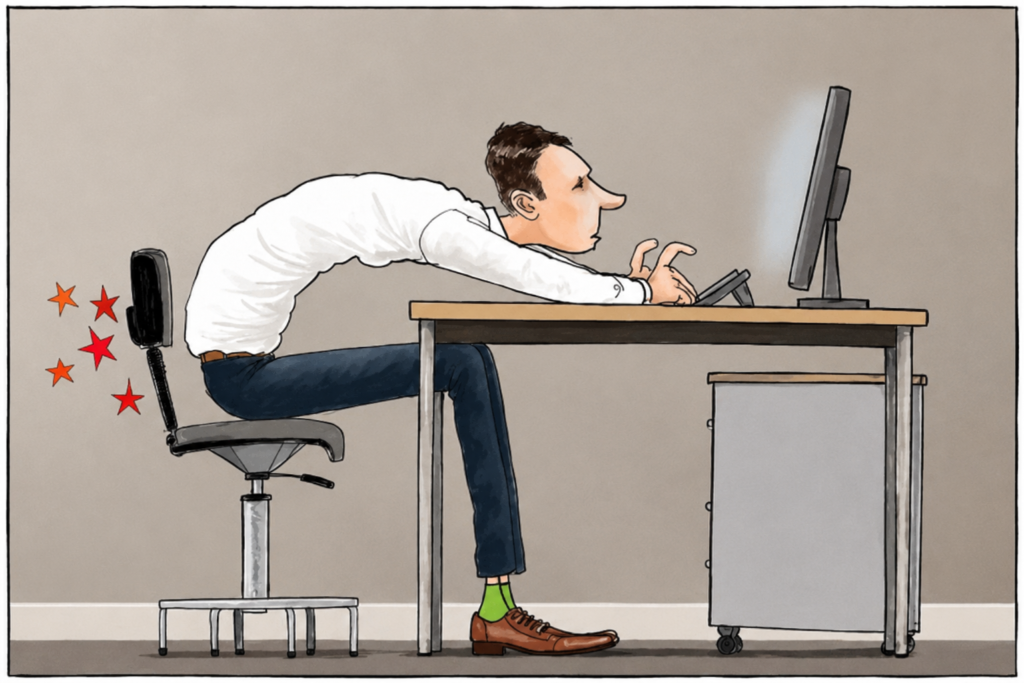
One of the most prevalent, yet often disregarded, causes of non-injury bodily pain is poor posture. Your muscles and joints can be silently stressed by sitting, standing, or working in an incorrect position for extended periods of time, even if you don’t fall, lift anything heavy, or strain yourself. This ongoing strain eventually causes stiffness, discomfort, and chronic aches that seem to come “out of nowhere.”
10: Autoimmune Conditions
Multiple sclerosis, lupus, and rheumatoid arthritis are among the conditions that can cause discomfort before any outward signs show up. Inflammation and discomfort result from the immune system wrongly attacking healthy tissues.
How Poor Posture Leads to Pain
One subtle, gradual cause of non-injury-related physical pain is poor posture. It doesn’t need a tumble, a lot of lifting, or an obvious strain to cause pain. Muscles, joints, and nerves can be gradually overworked by just keeping your body in the incorrect position for hours every day, whether you’re sitting, standing, walking, or using a phone.
Because there is no clear occurrence that triggered it, this ongoing misalignment over time leads to tension, irritation, and soreness that seems perplexing. Your body’s natural alignment is intended to be maintained:
- balancing the head on the shoulders
- Shoulders and hips in alignment
- Spine in a neutral curve
Effective Ways to Relieve Body Pain Without Injury
Experiencing body pain without injury can be problematic because it has no obvious cause to treat. However, simple lifestyle changes, supportive therapies, and self-care often respond very well to this type of pain. The majority of the cases are caused by internal factors such as stress, anxiety, depression, and poor sleep. Bad posture or nutrition deficiencies.
1. Improve Sleep Quality
Your body needs proper rest so that muscles, tissues, and nerves get repaired. This is only possible when you take care of certain things like
- Aim for 7–8 hours of uninterrupted sleep.
- try to maintain a fixed sleep schedule
- Avoid screens before sleeping.
- Use a supportive pillow and mattress
Better sleep reduces inflammation and lowers pain sensitivity.
2. Stay Properly Hydrated
Dehydration makes muscles tight and painful. All you need to do is
- Every day, consume 8–10 glasses of water.
- Drink more water when it’s hot outside.
- Add liquids such as soups and coconut water.
3. Gentle Exercise and Stretching
Exercise not just improves the blood circulation but also reduces stiffness To get a healthy mind and body, movement of muscles and nerves is vital.
- Walk 30-45 minute daily
- Do exercise such as stretching
- For flexibility and muscle relaxation, do yoga
Regular activity prevents muscles from becoming stiff and sore.
4. Correct Your Posture
Poor posture is often a main lead in causing muscle pain. From sitting to walking, body posture needs to be good and correct. Take certain measure to correct the poor body posture
- Sit with your back straight
- Keep screens at eye level
- Avoid slouching while using your phone
Small posture corrections can greatly reduce neck, shoulder, and back pain.
5. Manage Stress Effectively
- It’s necessary to know what causes tension from people to place or any thought. Relaxing leads to relaxing the body. Identifying those causes can help you get away from tensions and stress. take these precaution to stay away from stress
- Deep breathing exercise
- Try meditation or yoga
- Do relaxing activities like sports, painting, etc.
6. Take Warm Baths or Use Heat Therapy
Heat improves blood flow and relaxes tight muscles. This is especially helpful for back, neck, and shoulder pain.
- Warm showers
- Heating pads on sore areas
- Warm compress for 15–20 minutes
7. Massage Therapy
It’s a natural way of relaxing the body and reducing stress. Stress of the mind causes muscle stiffness, which leads to headache, back pain, and discomfort. Massage is a powerful therapy that reduces muscle tightness and improves blood circulation.
- Gentle oil massage
- Try a professional massage
8. Ensure Adequate Vitamin Intake
Continuous fatigue, poor concentration, and low energy are sometimes linked to vitamin and mineral deficiencies. For proper functioning of the body and mind, vitamins and minerals play an essential role in keeping the body energetic and working, like a deficiency of vitamin D, B12, or magnesium causes persistent aches.
- If pain continues, do blood test
- Use prescribed supplements.
- Eat vitamin- and mineral-enriched food
9. Take Regular Breaks From Sitting
- Sitting for quite long hours without body movement contributes to stiffness of body, poor circulation of blood, and muscle stiffness. Give your body a break to relax and work properly.
- 30-40 mins walk after long sitting
- Take a break and do stretching.
10. Practice Deep Breathing
Deep breathing exercises increase the oxygen supply to muscles and help reduce tension. try these techniques
- Do breathing exercise daily
- Hold breath for 5 seconds
- Exhale slowly
Conclusion: Listen to Your Body’s Signals
Witnessing body pain without injury can be confusing, but it’s your body’s wayof signallingg that a commodity needs attention. Whether it’s poor sleep, stress, nutritive insufficiency, hormonal imbalance, or a retired medical condition, relating the cause is pivotal.
Rather than ignoring the pain or assuming it’s normal, take a way to ameliorate your life and seek medical guidance when necessary. With proper care, hydration, nutrition, movement, and stress operation, you can reduce unexplained body pain and restore comfort to your diurnal life. Your body speaks through pain—learn to hear, understand, and respond with care